Event planning often feels manageable until temporary systems begin shaping the schedule and layout. Power coordination, lighting reach, restroom access, and delivery timing all influence how smoothly operations unfold. Many planners search for practical questions about event equipment rentals once real-world constraints replace early sketches. The sections below explain common concerns, expand on why they matter, and clarify how careful coordination supports dependable results.
Pelican Events regularly advises planning teams during early stages, explaining that “equipment decisions made ahead of time remove uncertainty later, especially when several systems rely on shared power and space.” Their perspective reflects ongoing experience coordinating temporary infrastructure under demanding timelines.
Event Equipment Rental Questions
Questions often surface once setup moves from planning boards to physical ground conditions. One outdoor gathering required repositioning lighting and restrooms after discovering uneven terrain, highlighting how early assessments reduce delays. Experience shows that confusion rarely comes from unfamiliar equipment, but from overlooked connections between systems. Organized preparation keeps adjustments manageable.
- Shared utilities require coordination
- Terrain affects layout stability
- Safety reviews depend on documentation
1. What Equipment Is Needed
Equipment needs vary based on activity flow, event length, and power demand rather than headcount alone. Short gatherings may only need lighting and minimal electricity, while longer schedules require generators, distribution panels, and sanitation systems working together. FEMA guidance emphasizes that temporary infrastructure directly supports crowd safety and operational continuity. Planning depth grows with complexity.
- Electrical generation components
- Lighting for visibility and navigation
- Sanitation access for comfort
2. How Much Equipment Costs
Rental pricing reflects technical demand rather than simple equipment counts. Expenses rise when power loads increase or when systems operate for extended hours. The U.S. Department of Energy notes that generator efficiency and fuel consumption strongly influence overall cost. Detailed load planning improves accuracy.
- Operating duration length
- Electrical demand levels
- Monitoring or staffing needs
3. When To Reserve Rentals
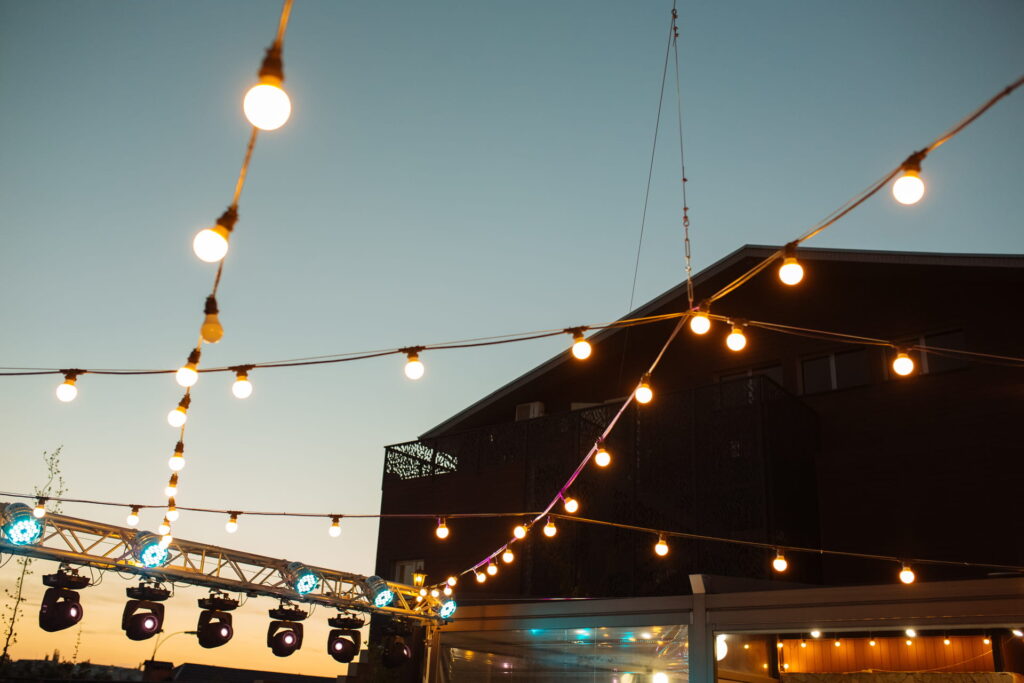
Timing plays a decisive role in securing the right equipment. Peak seasons often reduce availability for generators, lighting towers, and restroom units. Ready.gov planning materials stress early coordination to prevent shortages and rushed substitutions. Advance reservations allow clearer scheduling.
- Seasonal demand pressures inventory
- Early booking supports layout planning
- Delivery windows remain flexible
4. Power Requirements Explained
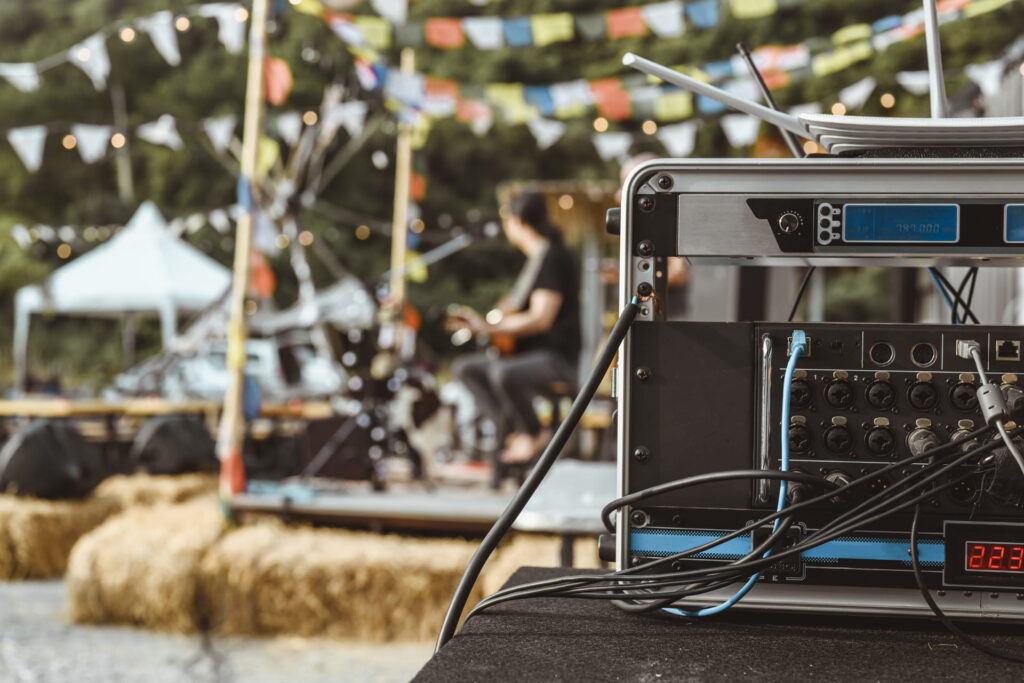
Power planning extends beyond connecting devices to outlets. Electrical demand builds quickly when sound systems, lighting arrays, refrigeration, and charging stations operate simultaneously. OSHA guidance highlights the fire risks associated with overloaded circuits. Balanced distribution protects both equipment and people.
- Total wattage evaluation
- Isolation of sensitive electronics
- Grounding and protection planning
5. Generator Size Selection
Generator size depends on peak demand rather than average use. Startup surges from lighting and audio equipment require added capacity beyond steady operation. Department of Energy research shows that undersized generators face increased failure risk. Modest capacity buffers improve reliability.
- Startup surge allowance
- Continuous load assessment
- Fuel planning considerations
6. Electrical Distribution Basics
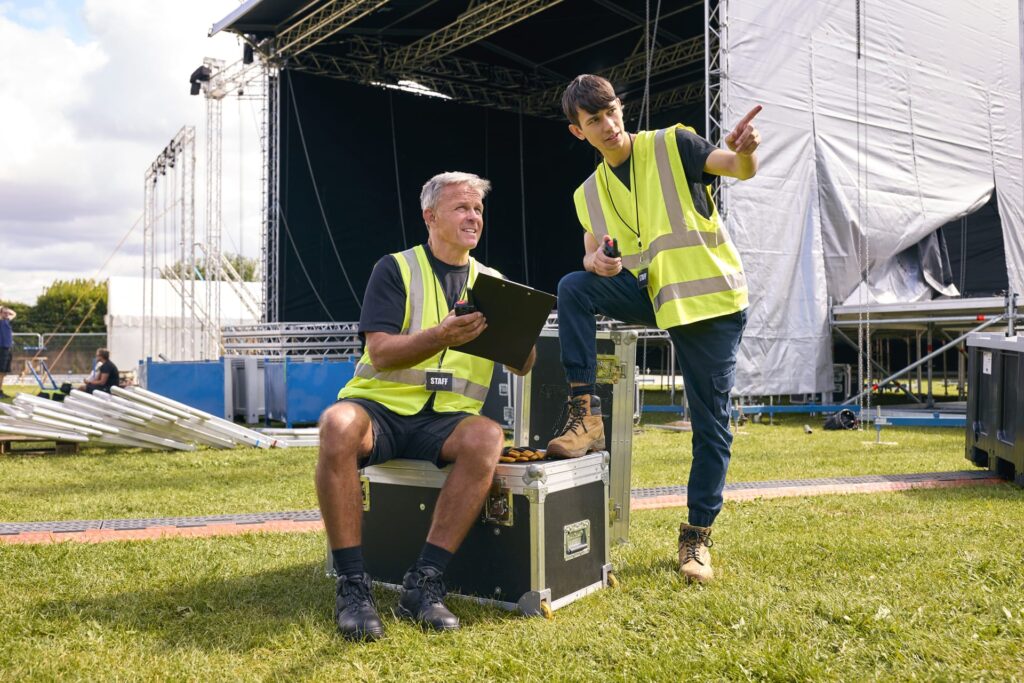
Distribution systems control how electricity moves safely across an event site. Panels, cabling, and connectors manage flow while reducing exposure hazards. OSHA temporary wiring standards emphasize organized routing and labeling. Structured layouts support safer movement.
- Strategic panel placement
- Organized cable routing
- Clear circuit identification
7. Outdoor Event Preparation
Outdoor environments introduce variables unseen indoors. Rain, humidity, heat, and uneven surfaces influence equipment performance. NOAA guidance confirms moisture exposure can disrupt electrical stability. Protective planning reduces environmental risk.
- Weather-rated enclosures
- Raised cabling paths
- Drainage awareness checks
8. Restroom Rental Options
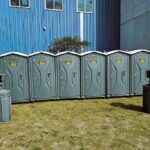
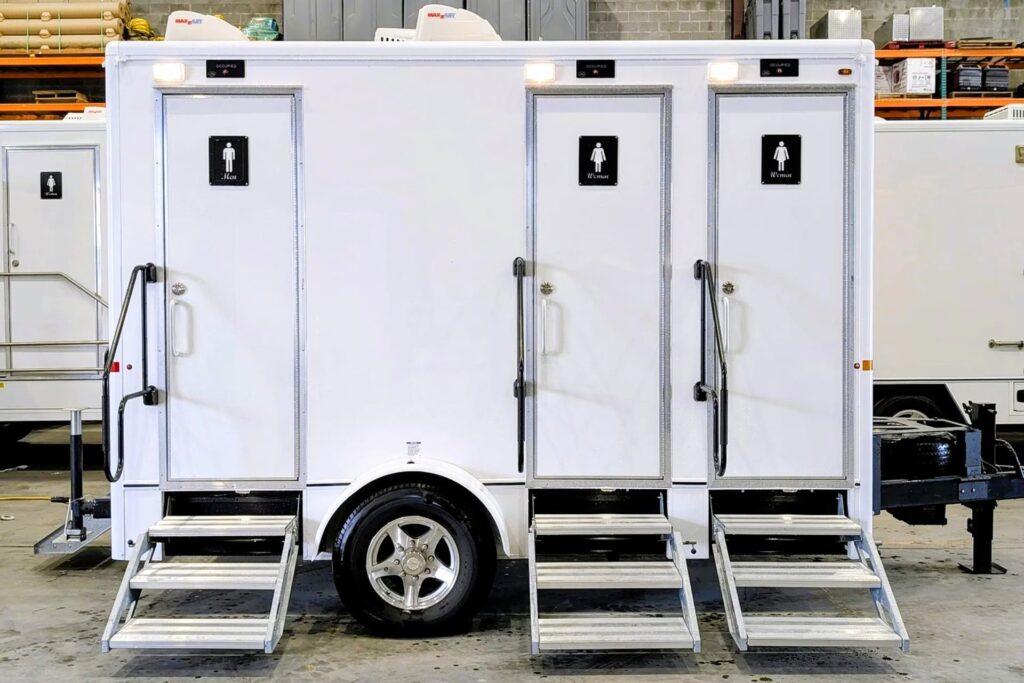
Sanitation planning shapes guest comfort and flow. Portable units support short schedules, while restroom trailers accommodate longer events with higher expectations. Public health agencies identify restroom access as essential for crowd well-being. Proper capacity prevents congestion.
- Attendance-based unit planning
- Handwashing accessibility
- Service timing coordination
9. Delivery Setup Process
Delivery timing influences every phase of setup. Equipment must arrive in sequence so installation areas remain accessible. FEMA safety guidance supports designated staging zones to limit congestion. Coordinated arrivals maintain order.
- Scheduled delivery windows
- Clear access routes
- Defined staging locations
10. Backup Planning Needs
Backup preparation protects events from unexpected disruptions. Secondary generators and spare components maintain continuity during equipment issues. Ready.gov identifies redundancy as a central risk-management practice. Preparation reduces downtime.
- Secondary power availability
- Emergency response preparation
- On-site monitoring readiness
Event Equipment Rental Planning Insights
Each topic connects through coordination and foresight. Power layout, sanitation placement, and delivery timing influence one another in measurable ways. Pelican Events often explains that early collaboration keeps systems operating together rather than competing for space or power. Careful planning strengthens overall stability.
Key Takeaways About Event Equipment Rentals
- Early planning improves availability
- Accurate power calculations reduce hazards
- Outdoor conditions require added protection
- Restroom capacity affects crowd flow
- Backup systems support continuity
Frequently Asked Questions
How early should equipment coordination begin?
Large events often benefit from planning several months ahead to allow site reviews and layout adjustments.
Why does generator sizing vary between events?
Different equipment creates different startup demands that change required capacity.
What happens if weather conditions change?
Protective coverings, elevated cabling, and contingency planning help maintain stability.
Are restroom quantities determined only by attendance?
Duration, food service, and beverage availability also influence required capacity.
Can vendors safely share power sources?
Shared power works when loads are properly calculated and distributed through approved panels.