
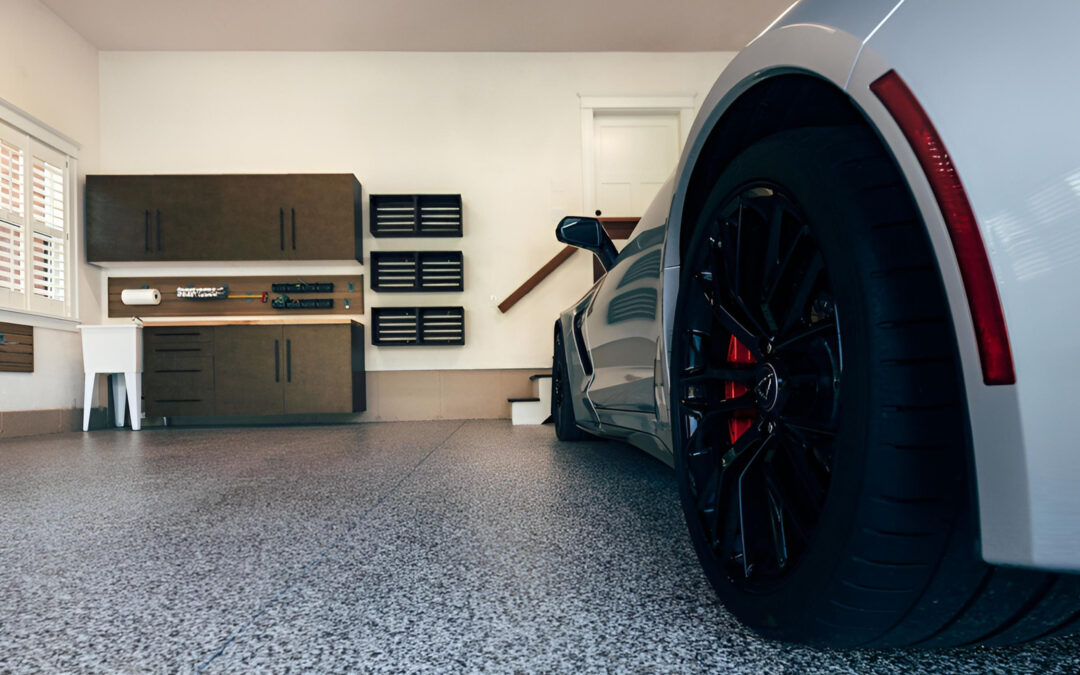
Household falls often begin with gradual traction loss, and many homeowners underestimate how unfinished concrete can become unsafe when moisture, dust, or repeated wear weaken surface grip strength. Epoxy flooring improves safety by reducing slip hazards because it creates a sealed, reinforced barrier that strengthens traction and stabilizes walking conditions across residential environments. Epoxy flooring lowers slip hazards by closing concrete pores and reinforcing the surface where daily movement occurs, especially in garages, basements, and utility zones. Optima Concrete Coatings explains, “Concrete constantly absorbs environmental moisture and releases fine dust particles, and epoxy creates a sealed layer that stabilizes traction and helps homeowners maintain safer footing across high-use areas.” Data from the Centers for Disease Control and Prevention shows that falls remain one of the leading causes of home injuries, highlighting the importance of dependable floor protection.
- Concrete releases fine particles that reduce grip over time
- Moisture accumulation weakens traction even without visible water
- Sealed epoxy coatings improve long-term walking stability
Reducing slip hazards throughout homes
A homeowner walking into a garage during humid weather may step onto concrete that appears dry but contains a thin moisture layer that weakens traction instantly. Epoxy flooring improves safety by reducing slip hazards because it seals porous surfaces and allows traction-enhancing texture that supports steadier movement when environmental conditions fluctuate. The National Safety Council reports that slip-related injuries occur frequently inside homes, especially on hard flooring surfaces that lack protective coatings. Stable surfaces reduce unexpected movement risks. Epoxy coatings help homeowners maintain reliable traction across garages, basements, entryways, and interior utility spaces.
- Sealed coatings block moisture intrusion into concrete pores
- Textured finishes improve friction during daily use
- Surface protection strengthens consistent walking stability
1. Improved traction stability performance
Concrete gradually becomes smoother through years of foot traffic, cleaning, and abrasion, and this gradual polishing effect reduces friction strength and increases slipping hazards. Epoxy flooring improves safety by reducing slip hazards because installers can introduce textured finishes that strengthen traction without compromising cleanability. The National Institute for Occupational Safety and Health explains that improved traction significantly lowers fall-related injury risk on hard surfaces. Strong traction improves walking confidence. Epoxy coatings help homeowners maintain dependable footing across garages, basements, laundry rooms, and workspaces where traction loss commonly develops.
-
- Textured finishes increase grip consistency across walking paths
- Reinforced coatings improve friction under varying conditions
- Stable traction reduces unexpected slipping incidents
2. Anti slip epoxy surface reinforcement
Anti slip additives embedded into epoxy coatings create microscopic surface variation that strengthens friction and improves shoe contact across residential floors. Protective additives preserve traction performance even after repeated cleaning, seasonal humidity changes, and regular household activity. The U.S. Department of Labor confirms that slip-resistant flooring plays a major role in reducing fall injuries in residential and occupational environments. Stable grip improves daily safety. Epoxy flooring improves safety by reducing slip hazards through consistent traction reinforcement.
-
- Anti slip additives strengthen traction reliability
- Surface texture improves foot stability during movement
- Protective coatings preserve grip across changing conditions
3. Moisture resistant concrete sealing protection
Concrete naturally absorbs moisture from surrounding air, soil conditions, and household activity, and this absorbed moisture weakens traction strength and increases slip potential significantly. Epoxy flooring creates a sealed protective barrier that blocks moisture penetration and preserves stable walking conditions across residential floors. The Environmental Protection Agency explains that moisture intrusion contributes to concrete deterioration and increased indoor safety risks. Dry surfaces maintain more dependable traction. Epoxy coatings help homeowners preserve safer footing across basements, garages, and interior utility areas.
-
- Protective barriers prevent moisture absorption into concrete
- Dry surfaces improve traction stability during daily use
- Sealed coatings preserve structural integrity longer
4. Seamless epoxy floor stability coverage
Concrete surfaces often develop cracks, joints, and uneven areas that interrupt walking stability and increase fall risk significantly. Epoxy flooring creates a smooth, continuous protective layer that eliminates these inconsistencies and strengthens structural durability. The National Safety Council identifies uneven walking surfaces as a major contributor to household fall injuries. Smooth surfaces support steadier movement. Epoxy coatings help homeowners maintain predictable traction across residential flooring systems.
-
- Seamless coatings eliminate uneven transitions
- Continuous coverage improves traction reliability
- Uniform surfaces reduce unexpected slip hazards
5. Chemical resistant traction preservation
Garages, storage areas, and utility rooms frequently experience exposure to automotive fluids, cleaning chemicals, and household solutions, and untreated concrete absorbs these substances and weakens traction stability. Epoxy flooring resists chemical absorption and allows homeowners to clean spills thoroughly while preserving surface reliability. The Occupational Safety and Health Administration explains that contaminated flooring significantly increases slip hazards. Protected surfaces maintain better traction performance. Epoxy coatings help homeowners preserve stable footing across frequently exposed areas.
-
- Chemical resistant coatings prevent fluid penetration
- Sealed surfaces simplify cleanup after spills
- Surface protection preserves traction strength
6. Reflective epoxy lighting visibility improvement
Dim lighting conditions increase slipping hazards because moisture, debris, and surface changes become difficult to detect across darker concrete floors. Epoxy flooring reflects light efficiently and improves visibility across residential environments, helping homeowners identify hazards sooner. The U.S. Department of Energy explains that reflective flooring improves lighting efficiency and indoor visibility. Improved visibility strengthens hazard awareness. Epoxy coatings help homeowners detect surface hazards before slipping occurs.
-
- Reflective finishes improve lighting performance indoors
- Improved visibility strengthens hazard detection
- Enhanced lighting supports safer walking movement
7. Long term traction durability reinforcement
Concrete gradually deteriorates due to repeated use, environmental exposure, and structural pressure, and this deterioration weakens traction strength and increases slip hazards. Epoxy flooring protects concrete from deterioration and preserves traction reliability over extended periods. The Federal Highway Administration explains that protective coatings extend surface lifespan and improve durability. Durable surfaces maintain safer traction stability. Epoxy coatings help homeowners maintain dependable walking safety across long-term residential use.
-
- Protective coatings prevent surface wear and breakdown
- Durable finishes preserve traction stability longer
- Reinforced surfaces improve safety performance over time
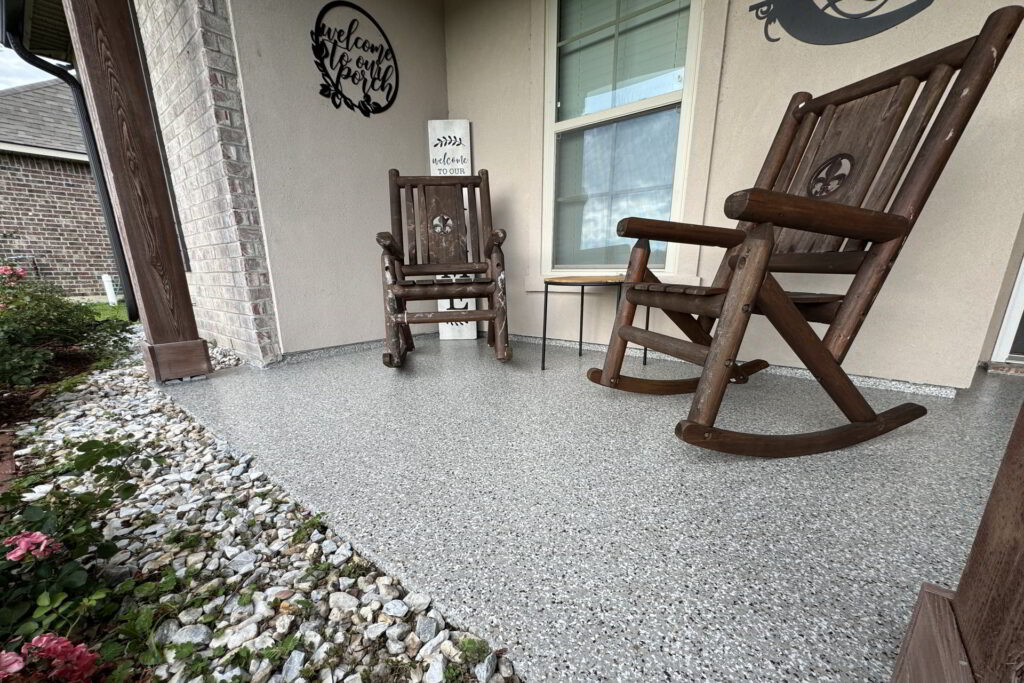
How epoxy flooring lowers slip hazards key takeaways
Epoxy flooring improves safety by reducing slip hazards through traction reinforcement, moisture protection, and durable surface sealing that strengthens walking stability across residential floors. Protective coatings prevent moisture intrusion and preserve traction reliability across interior environments. Seamless epoxy coverage eliminates uneven walking areas while reflective finishes improve hazard detection and visibility. Durable epoxy protection strengthens long-term safety performance and helps homeowners maintain dependable walking conditions across garages, basements, and interior spaces.
- Epoxy flooring strengthens traction stability across homes
- Sealed coatings prevent moisture-related slipping hazards
- Seamless surfaces improve walking safety consistency
- Durable epoxy protection preserves traction performance
- Reflective finishes improve hazard detection indoors
Frequently asked questions
Why does epoxy flooring lower slip hazards in homes?
Epoxy flooring seals concrete pores, strengthens traction, and improves walking stability across residential surfaces.
Where does epoxy flooring improve safety most?
Garages, basements, entryways, and utility areas benefit the most because these locations experience moisture exposure and regular use.
How long does epoxy flooring maintain traction performance?
Epoxy flooring can preserve traction stability for 10 to 20 years depending on maintenance and environmental conditions.
What makes untreated concrete slippery over time?
Dust buildup, moisture absorption, and gradual surface wear weaken friction strength and increase slip hazards.
Can epoxy flooring improve long-term household safety?
Epoxy flooring strengthens traction durability, improves hazard visibility, and protects concrete, helping homeowners maintain safer walking conditions.