
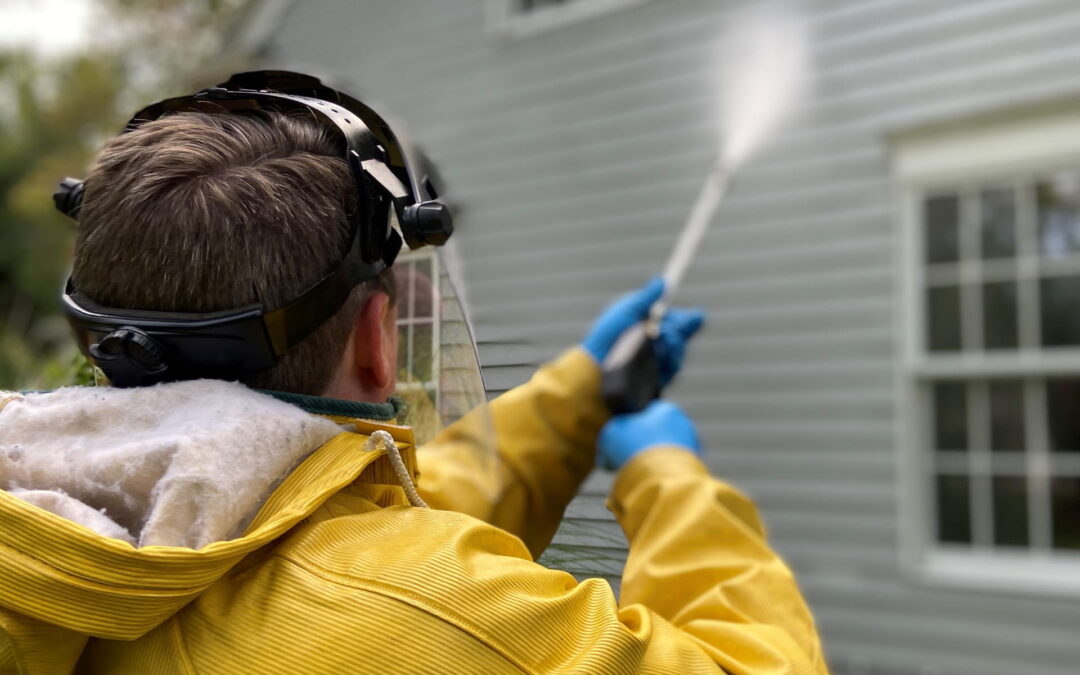
Keeping exterior surfaces clean is not only about appearances, because regular buildup can slowly wear down materials and shorten the life of a property’s outer surfaces. Deciding between pressure washing and soft washing often feels harder than expected since both methods clean effectively, yet they are built for very different situations. This guide breaks down how each method works, where each one performs best, and what homeowners and business owners should weigh before choosing. “Keeping exterior surfaces clean is about more than curb appeal, it is also about protecting the materials underneath from buildup that can shorten their lifespan,” says Danny’s Pressure Washing & Soft Washing. “Pressure washing and soft washing both have their place, but the right choice depends on the surface, the type of grime, and how much force that material can safely handle. Using the wrong method can leave stains behind or create damage that costs far more than the cleaning itself.”
- Pressure level changes how each method works
- Surface type plays a major role in the decision
- Different stains call for different cleaning approaches
Pressure Washing vs. Soft Washing Differences That Matter
These methods can seem nearly identical at first because both involve exterior cleaning with water and specialized equipment, but the real difference shows up when the wrong one is used on the wrong material. A property manager might try to remove mildew from painted siding with high pressure, only to end up with chipped paint, forced-in moisture, and a much bigger repair issue than the original stain. Soft washing would have approached that surface much more carefully. Pressure washing, on the other hand, would have made far more sense on a stained concrete walkway or grease-covered loading area.
- Pressure washing depends more on water force
- Soft washing depends more on treatment and low pressure
- Choosing the right method helps prevent surface damage
1. Compare the Water Pressure First
The most obvious difference between the two methods is the amount of pressure used during cleaning. Pressure washing sends water out with enough force to cut through thick dirt, grime, grease, and old residue on tough surfaces, while soft washing uses a far gentler spray that is less likely to scar, crack, or loosen sensitive materials. That one difference changes everything. A surface that handles strong pressure well may come out beautifully clean, while a weaker material can be ruined in minutes.
- High pressure works well on stubborn surface buildup
- Low pressure reduces the risk of physical damage
- Force alone should never decide the cleaning plan
2. Match the Method to the Material
Surface strength is often the best clue when choosing between pressure washing and soft washing. Concrete, brick, stone, and many paver surfaces usually hold up well under pressure washing, while roofs, painted siding, wood fencing, trim, and decorative details generally need the gentler touch of soft washing. Hard materials usually need stronger cleaning power. Delicate materials usually need patience and restraint.
- Concrete and masonry often respond well to pressure washing
- Wood and painted surfaces often respond better to soft washing
- Surface age and condition should also be considered
3. Identify the Type of Dirt or Staining
Not all stains are created equal, and this is where many people misjudge the job. Pressure washing is usually a strong choice when the problem is packed dirt, grease, mud, or thick residue clinging to a durable surface, while soft washing is often better when the issue is organic growth like mold, algae, mildew, or lichen. That difference matters because blasting away the surface layer does not always solve the underlying problem. Sometimes the stain disappears briefly, then creeps right back.
- Grease and packed grime often need stronger pressure
- Organic growth often responds better to chemical treatment
- Correct stain identification leads to better long-term results
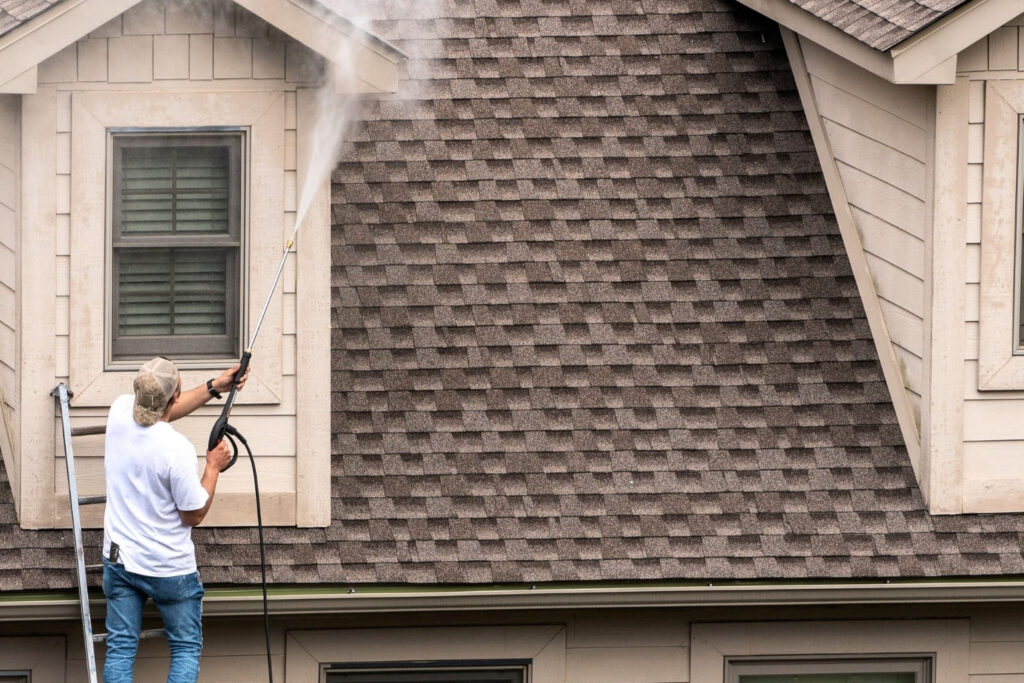
4. Pressure Washing Usually Fits Heavy-Duty Areas
High-traffic surfaces tend to collect the type of grime that calls for more force. Driveways, sidewalks, parking pads, brick paths, retaining walls, and commercial entry areas often build up oil residue, mud, mildew, tire marks, and layers of dirt that do not rinse away easily with a light wash. Pressure washing can break through that buildup much more effectively on those tougher materials. It is built for that kind of job.
- Driveways often collect oil and traffic residue
- Walkways can become slippery from grime and mildew
- Commercial hardscapes often need deeper surface cleaning
5. Soft Washing Usually Fits Delicate and Finished Surfaces
Soft washing is often the safer choice when the surface has coatings, finishes, or structural features that do not respond well to impact. Roof shingles, vinyl siding, painted wood, shutters, screens, fences, windows, and ornamental details can all suffer from excessive pressure, even when the operator means well. Soft washing cleans more gently while still removing stains and biological growth. That makes it a better fit for surfaces that need to be cleaned without being roughed up in the process.
- Roofs often need a low-pressure cleaning approach
- Vinyl and painted siding can be damaged by aggressive washing
- Decorative features often clean better with less force
6. Mold, Algae, and Mildew Often Change the Answer
When biological growth is part of the problem, soft washing often becomes the stronger option even though it uses less pressure. Mold, algae, and mildew are not just surface stains, they can spread, create odors, make walkways slick, and keep returning if they are not treated properly. Soft washing helps address that kind of buildup with cleaning solutions before the rinse clears it away. That extra treatment step usually makes a big difference.
- Algae can create dark streaks and slippery areas
- Mildew often spreads across damp shaded surfaces
- Treatment-based cleaning can slow future regrowth
7. Skill and Technique Matter with Both Methods
Neither cleaning method is foolproof just because it looks straightforward from the outside. Too much pressure can scar wood, strip paint, loosen siding, and force water where it does not belong, while poor soft washing technique can leave residue, incomplete cleaning, or damage from the wrong solution mix. A rushed job creates problems fast, and some of those problems do not show up until days later. That is why method selection and technique go hand in hand.
- Improper pressure can damage more than it cleans
- Wrong chemical choices can stain or weaken surfaces
- Careful technique helps protect long-term surface condition
Why the Better Choice Depends on the Surface, Not the Hype
Pressure washing and soft washing are not competing methods where one automatically outperforms the other across every job. Each one has a clear purpose, and the better option depends on what surface is being cleaned, what kind of buildup is present, and how much force the material can safely take without wearing down. Pressure washing usually makes more sense for solid, grime-heavy hardscapes, while soft washing is often the safer and more complete answer for roofs, siding, painted surfaces, and growth-prone areas. Danny’s Pressure Washing & Soft Washing encourages property owners to think less about which method sounds more powerful and more about which one truly fits the material, because good cleaning protects the property while poor cleaning shortens the life of the very surfaces it is supposed to maintain.
- The strongest method is not always the smartest one
- Surface condition should guide the final decision
- Good cleaning protects both appearance and structure
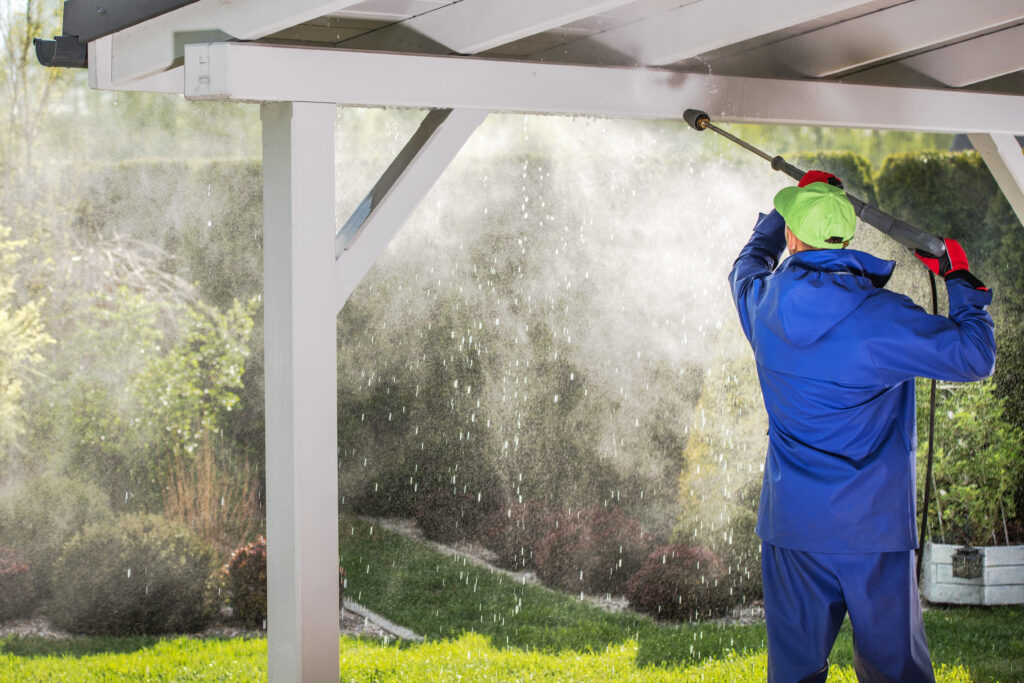
Key Takeaways on Deciding Between Pressure Washing and Soft Washing
Pressure washing is usually the better fit for durable materials like concrete, brick, and stone where heavy grime and embedded residue need stronger force to break loose. Soft washing is usually the better fit for roofs, siding, painted surfaces, and other delicate materials where lower pressure and cleaning solutions can remove buildup without causing unnecessary damage. Property owners get better long-term results when they match the cleaning method to both the material and the stain rather than assuming every surface should be cleaned the same way.
- Pressure washing favors tough, durable surfaces
- Soft washing favors delicate and growth-prone surfaces
- The right match helps preserve appearance and lifespan
Frequently Asked Questions
1. Is pressure washing always better because it is stronger?
No, stronger is not always better. Pressure washing can be highly effective on durable surfaces, but delicate materials often clean more safely and more thoroughly with soft washing.
2. Which method is usually better for a roof?
Soft washing is usually the safer option for most roofs because it helps remove staining and organic growth without the level of force that can damage shingles or protective surface layers.
3. Can one property need both pressure washing and soft washing?
Yes, that is very common. A property may need pressure washing on concrete walkways and driveways, then soft washing on siding, fencing, roofing, or trim.
4. Why is soft washing useful if it uses less pressure?
Soft washing works differently. Instead of relying mainly on force, it uses cleaning solutions and low-pressure rinsing to break down mold, algae, mildew, and other buildup more gently.
5. How often should exterior surfaces be cleaned?
That depends on moisture, shade, traffic, tree coverage, and the type of material. Areas with heavy humidity or recurring organic growth often need cleaning more often than dry, open hardscape surfaces.