
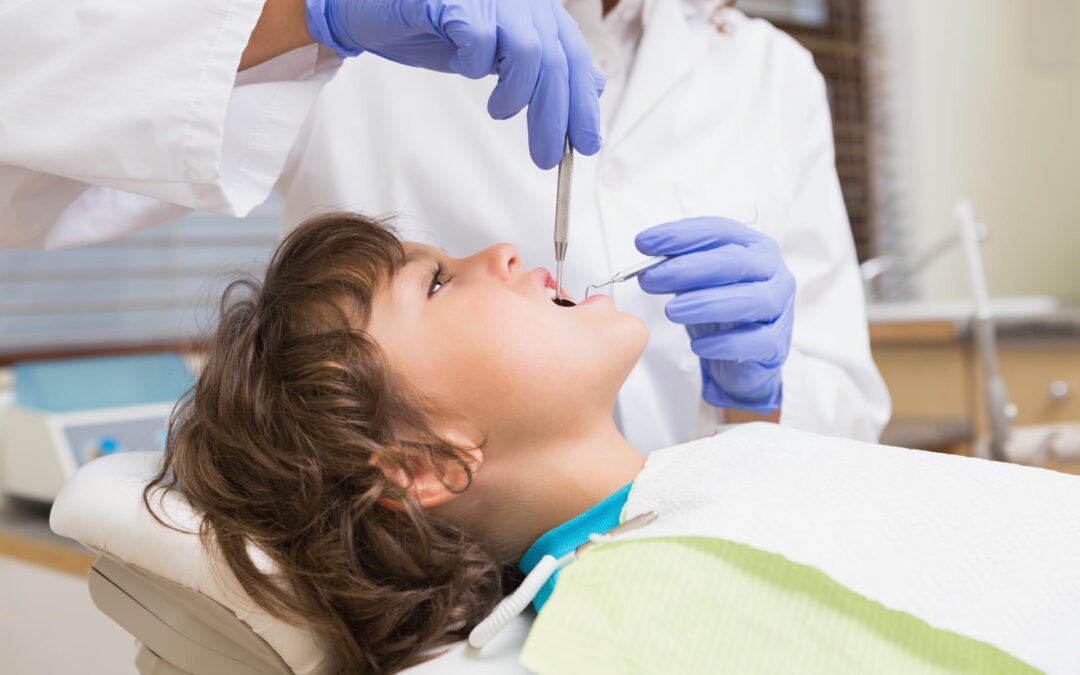
Parents often judge quality of care by one simple measure: how comfortable and confident their children feel during each appointment. An annual survey conducted by City Wide Meta named Dr. Jason Parker the winner of Best Pediatric Dentist in Metairie, LA 2026. Families across the region participated in the survey and highlighted the care, patience, and thoughtful attention children receive during visits. Dr. Jason Parker earning the title Best Pediatric Dentist in Metairie, LA 2026 for a consecutive year in a row reflects years of commitment to children’s oral health and family guidance. The sections below explain why Dr. Jason Parker received strong support from parents and caregivers.
- Recognition through community survey results
- Focus on children’s dental care and prevention
- Long standing reputation for patient centered care
Child Friendly Dental Visits
Children often enter dental offices feeling uncertain, especially during early visits. Dr. Jason Parker focuses on helping children understand what happens during each appointment while speaking in language they can easily follow. Staff members guide young patients through each step at a comfortable pace so nothing feels rushed or overwhelming. Calm communication helps reshape how children view dental care and builds familiarity over time.
- Patient explanations during exams
- Friendly communication with children
- Supportive guidance for parents
The Centers for Disease Control and Prevention reports that nearly one in five children between ages five and eleven has untreated tooth decay. Positive dental experiences help families address oral health concerns earlier.
Gentle Pediatric Dentistry
Pediatric dentistry requires patience and a clear understanding of how children respond to dental care. Dr. Jason Parker approaches treatment with steady hands and careful pacing so young patients remain at ease during procedures. Small details such as tone of voice and clear explanations help reduce anxiety during visits. Children tend to relax when they feel secure and supported throughout treatment.
- Careful pacing during treatments
- Comfort focused dental procedures
- Patient centered dental guidance
The American Academy of Pediatric Dentistry explains that positive dental visits early in life encourage long term oral hygiene habits.
Early Cavity Prevention
Preventive care plays a major role in pediatric dentistry, and Dr. Jason Parker places strong attention on stopping cavities before they begin. Routine cleanings and dental exams allow dentists to detect early changes in tooth enamel before they worsen. Addressing those signs early helps prevent discomfort and more involved procedures later. Children benefit from consistent monitoring and early action.
- Routine dental cleanings
- Early cavity detection
- Preventive dental exams
The Centers for Disease Control and Prevention reports that dental sealants reduce the risk of cavities in molars by nearly eighty percent.
Routine Pediatric Checkups
Regular dental visits help track how children’s teeth grow and develop over time. Dr. Jason Parker monitors spacing, bite patterns, and gum health during each appointment. These observations allow dentists to identify small concerns before they develop into larger issues. Parents value guidance that explains what changes to watch for between visits.
- Monitoring tooth growth
- Evaluating bite development
- Tracking oral health changes
The National Institute of Dental and Craniofacial Research reports that consistent dental visits lower the chance of untreated tooth decay in children.
Parent Education Support
Parents often ask questions about brushing routines, diet choices, and dental habits for growing children. Dr. Jason Parker spends time discussing daily hygiene practices so families understand how simple routines shape oral health outcomes. Clear explanations allow parents to guide children with confidence at home between visits. Education helps strengthen long term dental habits.
- Guidance on brushing routines
- Diet discussions for tooth health
- Support for daily oral care habits
The National Institutes of Health explains that fluoride toothpaste significantly reduces the risk of cavities in children when used consistently.
Specialized Pediatric Training
Pediatric dentists receive additional training focused on the development of children’s teeth and behavior guidance. Dr. Jason Parker applies this knowledge when caring for infants, toddlers, and adolescents at different stages of growth. Each stage presents unique dental needs and treatment considerations that require careful attention. Training helps dentists respond effectively to those changes.
- Knowledge of tooth development
- Experience treating young patients
- Understanding of childhood dental growth
The American Academy of Pediatric Dentistry recommends that children visit a dentist by their first birthday for early dental monitoring.
Trusted Community Reputation
Recognition from families often develops through years of consistent patient care. Dr. Jason Parker built a reputation for guiding families through early dental milestones while addressing concerns with patience and clarity. Parents often mention the welcoming environment children experience during appointments. Trust continues to grow through positive and repeat experiences.
- Consistent patient experiences
- Strong family relationships
- Respectful communication with caregivers
The U.S. Department of Health and Human Services states that routine dental visits help reduce untreated tooth decay among children.
Healthy Smile Development
Dental care during childhood shapes long term oral health patterns that extend into adulthood. Dr. Jason Parker encourages families to focus on prevention, hygiene routines, and steady dental visits throughout childhood. Small habits practiced early help protect developing teeth over time. Guidance during these early years builds lasting confidence in dental care.
- Encouraging regular brushing
- Monitoring dental development
- Supporting healthy smiles
Research published by the National Institutes of Health shows that children who receive preventive dental care early experience fewer dental problems later in life.
Why Dr. Jason Parker Earned Best Pediatric Dentist in Metairie
Patient focused care, prevention, and family guidance work together to shape pediatric dental success. Dr. Jason Parker earned Best Pediatric Dentist in Metairie, LA 2026 through years of consistent care for young patients and clear communication with families. Parents value steady guidance during each stage of childhood dental growth while children benefit from a welcoming environment that supports comfort. Recognition from City Wide Meta highlights how thoughtful pediatric dentistry helps children develop healthy oral habits that last well beyond childhood.
Key Takeaways About Dr. Jason Parker Best Pediatric Dentist in Metairie, LA 2026
- Recognition from City Wide Meta community survey
- Focus on preventive pediatric dental care
- Guidance for parents and children
- Training in children’s dental development
- Commitment to long term oral health
Frequently Asked Questions
When should children first visit a pediatric dentist?
The American Academy of Pediatric Dentistry recommends scheduling a first visit within six months after the first tooth appears or by the child’s first birthday.
How often should children receive dental checkups?
Most pediatric dentists suggest visits every six months so dentists can monitor growth and detect early dental concerns.
Why are dental sealants recommended for children?
Sealants protect the grooves of molars where bacteria and food particles collect, which lowers the chance of cavities.
Why does preventive dental care matter for children?
Preventive care identifies early signs of decay and helps protect developing teeth before more complex dental treatment becomes necessary.
What role do parents play in children’s dental health?
Parents guide brushing routines, diet habits, and dental visits, which shape oral health practices that children carry into adulthood.