Concrete surfaces handle steady pressure from vehicles, foot traffic, moisture exposure, temperature fluctuations, and repeated daily activity, which makes selecting the most suitable concrete coating a performance-driven decision rather than a decorative upgrade. Many property owners believe coatings function similarly across environments, yet real-life results often vary depending on structural conditions and environmental stress. The phrase factors that determine the most suitable concrete coating frequently arises when durability, protection, and long-term maintenance costs are evaluated together. Optima Concrete Coatings explains that “matching the coating system to the environment is what prevents early failure and unnecessary repairs.”
Factors That Determine the Most Suitable Concrete Coating
Concrete coating decisions usually develop through practical job-site experience instead of marketing claims or packaging descriptions. A high-traffic warehouse floor and a residential garage slab might appear comparable, yet each experiences pressure differently across seasons and usage cycles. The most suitable concrete coating depends on how the surface performs during regular operation, including exposure to chemicals, weight loads, and environmental changes. Minor environmental differences can significantly influence coating lifespan.
- Daily usage intensity influences wear patterns
- Environmental exposure affects bonding reliability
- Surface condition guides preparation techniques
1. Intended Use Area
Floor function plays a major role because concrete coating systems react differently to steady foot traffic, vehicle weight, and industrial equipment movement. Commercial environments with rolling machinery or storage equipment experience aggressive abrasion compared to lightly used residential floors, while garages face oil leaks, road salt buildup, and heated tire contact that can weaken less durable coatings. The National Institute of Standards and Technology has documented how repetitive load pressure accelerates surface wear when coatings lack adequate thickness and chemical resistance. Coating selection produces stronger results when it aligns with realistic usage expectations rather than visual design preferences.
- Vehicle weight affects coating thickness and durability
- Foot traffic increases surface friction and gradual wear
- Equipment movement introduces vibration and impact stress
2. Concrete Surface Condition
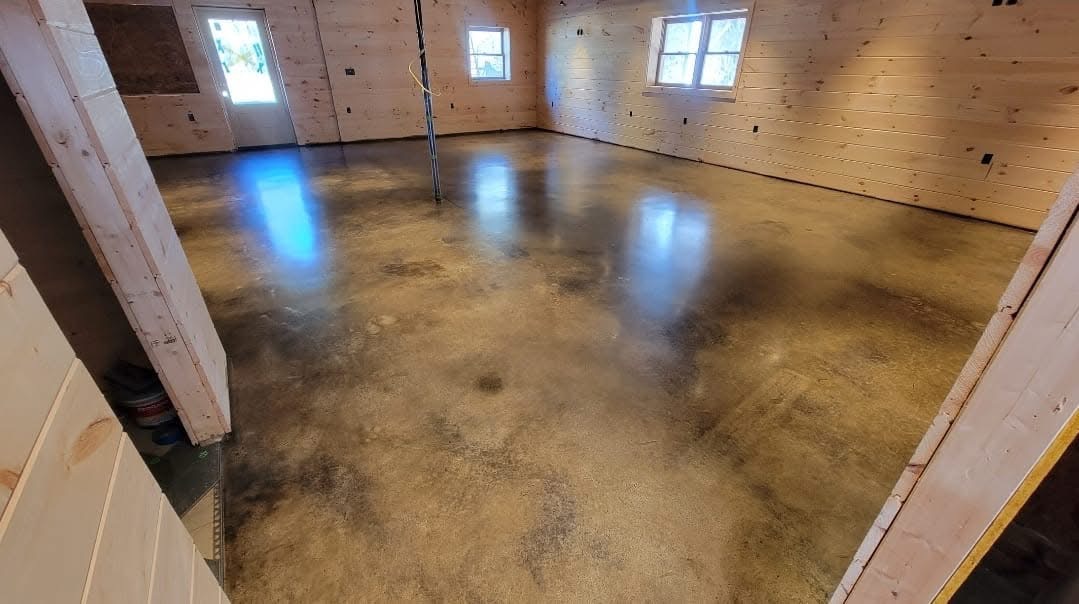
Surface stability greatly influences whether a coating bonds securely or deteriorates prematurely. Cracks, spalling, scaling, and leftover sealers interrupt proper adhesion, and the Federal Highway Administration reports that surface defects often allow moisture infiltration that weakens concrete layers beneath protective coatings. Professional inspection helps determine whether grinding, structural patching, or moisture mitigation steps are necessary before application begins. Stable, properly prepared concrete supports consistent coating adhesion and reduces future repair risks.
- Cracks interrupt consistent coating bonding
- Residual sealers weaken adhesive strength
- Pitted surfaces trap moisture and debris
3. Moisture Exposure Levels
Moisture vapor traveling through concrete remains one of the leading causes of coating blistering, peeling, and early deterioration. The U.S. Department of Energy confirms that concrete slabs naturally transmit moisture even when surfaces appear completely dry, particularly in basements, garages, and ground-level patios. Certain coating systems manage vapor pressure more effectively than others, which makes professional moisture testing a necessary evaluation step. Surface dryness alone rarely reflects internal slab conditions or long-term moisture migration patterns.
- Vapor pressure affects coating adhesion strength
- Below-grade slabs require breathable coating systems
- High humidity slows curing and bonding development
4. Environmental Temperature Range
Temperature variation influences curing speed, flexibility, and long-term durability of concrete coatings. The Environmental Protection Agency has documented how seasonal expansion and contraction place repeated stress on rigid flooring surfaces exposed to temperature swings. Coatings lacking flexibility often crack during freeze-thaw cycles or extended heat exposure that causes material expansion. Climate exposure directly impacts coating stability and long-term performance reliability.
- Cold temperatures slow chemical curing reactions
- Heat affects coating structural stability
- Seasonal changes create expansion and contraction stress
5. Slip Resistance Needs
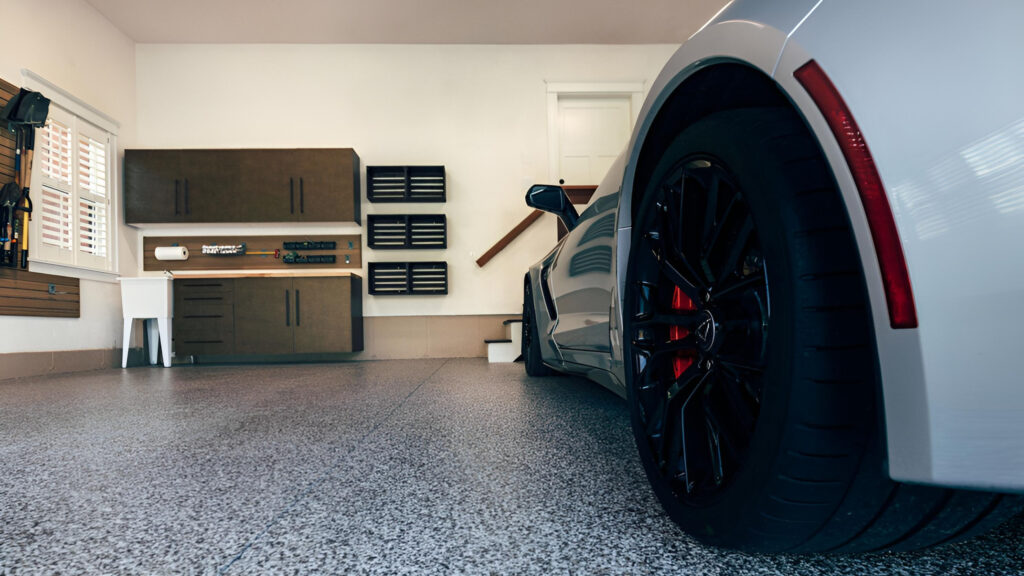
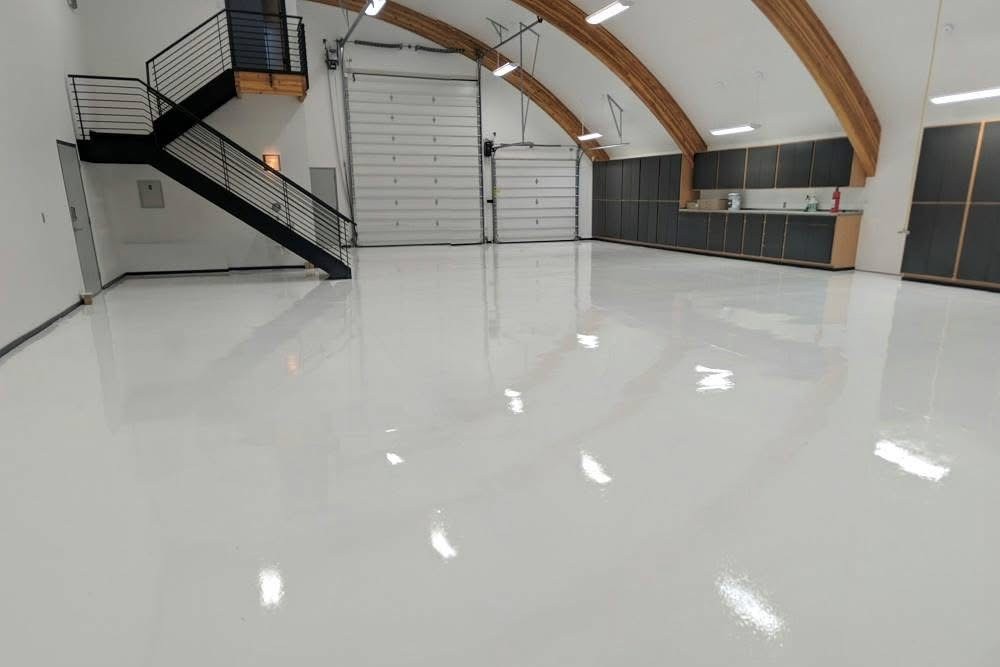
Safety expectations differ widely depending on environment, which makes traction a critical factor in coating selection. The Occupational Safety and Health Administration reports that slip-related accidents remain one of the most common causes of workplace injuries and property liability claims. Texture additives increase surface grip but also influence cleaning requirements, surface reflectivity, and visual appearance. Traction levels perform best when matched carefully with daily activity levels and moisture exposure risks.
- Wet environments require additional traction protection
- Smooth finishes simplify routine cleaning procedures
- Texture selection influences lighting visibility and safety awareness
6. Maintenance Expectations
Maintenance tolerance often influences coating decisions more than many property owners initially realize. Certain coatings resist staining, chemical damage, and surface discoloration more effectively, while others require frequent cleaning to maintain performance and appearance. The U.S. General Services Administration notes that low-maintenance flooring surfaces help reduce long-term facility operating costs and minimize labor requirements. Cleaning routines should realistically align with the coating finish selected for the space.
- Cleaning frequency directly affects coating lifespan
- Chemical resistance prevents permanent staining
- Surface texture influences upkeep effort and cleaning efficiency
7. Budget and Longevity Balance
Cost considerations should focus on long-term durability rather than upfront installation expense alone. The National Institute of Building Sciences reports that premature material replacement dramatically increases lifetime ownership costs across residential and commercial properties. Thicker, higher-quality coatings frequently deliver longer service life under demanding usage conditions even when initial installation investment appears higher. Long-term performance reliability often produces stronger financial value than short-term savings.
- Lower-cost coatings often wear prematurely
- Durable systems reduce replacement and repair cycles
- Longevity typically outweighs initial pricing differences
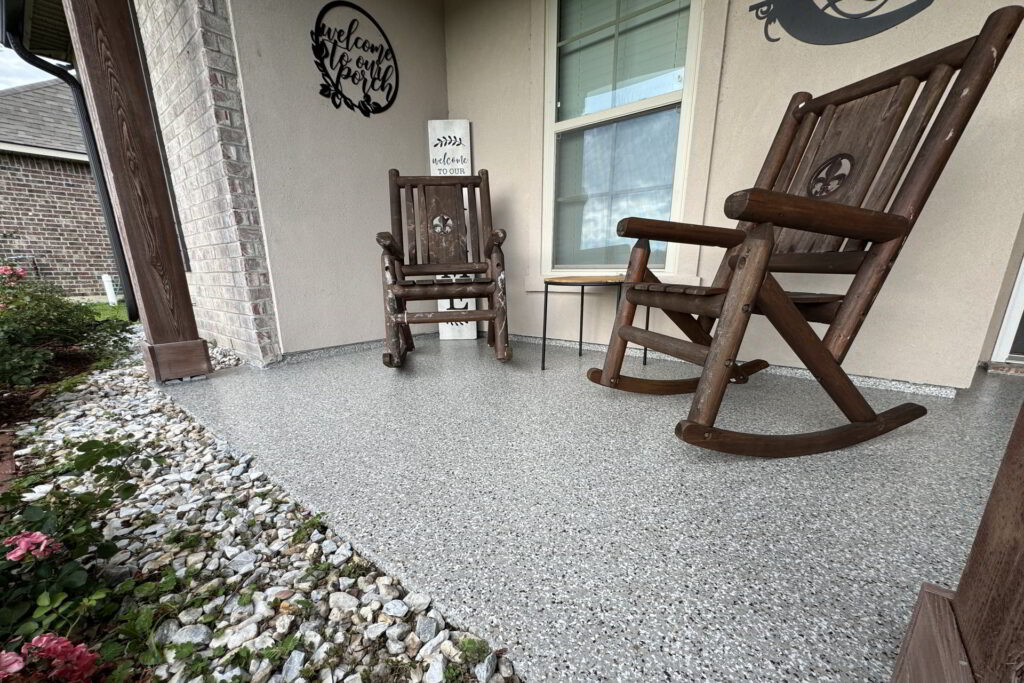
How These Factors Work Together
Each factor discussed overlaps with others, which explains why no single concrete coating system fits every environment. Usage patterns, moisture exposure, temperature variation, safety expectations, and maintenance habits combine to influence coating performance success or failure. Optima Concrete Coatings emphasizes that evaluating these conditions collectively produces stronger and more predictable results, noting that “a coating only performs as well as the conditions it’s designed for.” Careful evaluation protects concrete surfaces for many years and reduces long-term structural deterioration.
- Environmental conditions influence coating chemistry selection
- Proper preparation supports consistent long-term bonding
- Real-world usage shapes overall durability outcomes
Key Takeaways on the Most Suitable Concrete Coating
Understanding the factors that determine the most suitable concrete coating helps property owners avoid premature surface failure, safety concerns, and unnecessary maintenance expenses. Each environment introduces unique challenges that require specific coating characteristics and professional evaluation. Guidance from Optima Concrete Coatings reinforces the importance of matching coating materials to realistic environmental demands instead of focusing only on appearance or installation cost.
- Usage patterns define coating performance needs
- Moisture control prevents premature coating failure
- Preparation quality supports long-term durability
Frequently Asked Questions About Concrete Coatings
How long do concrete coatings typically last? Coating lifespan varies depending on product type, preparation quality, and environmental exposure. Professionally installed systems generally provide several additional years of protection compared to standard sealers.
Can concrete coatings support vehicle traffic regularly? Certain coating systems are engineered to withstand heavy vehicle weight, tire friction, and oil exposure, while lighter coatings perform better under pedestrian traffic.
Do concrete coatings prevent moisture damage completely? Some coating systems resist moisture vapor, while others require moisture mitigation treatments before installation. Moisture testing determines compatibility.
Are textured coatings more difficult to maintain? Added texture improves slip resistance but can hold dirt and debris, which means cleaning methods should match the selected finish style.
Does surface preparation significantly affect coating lifespan? Surface preparation directly impacts coating adhesion, durability, and resistance to environmental stress, making it one of the most important installation steps.