
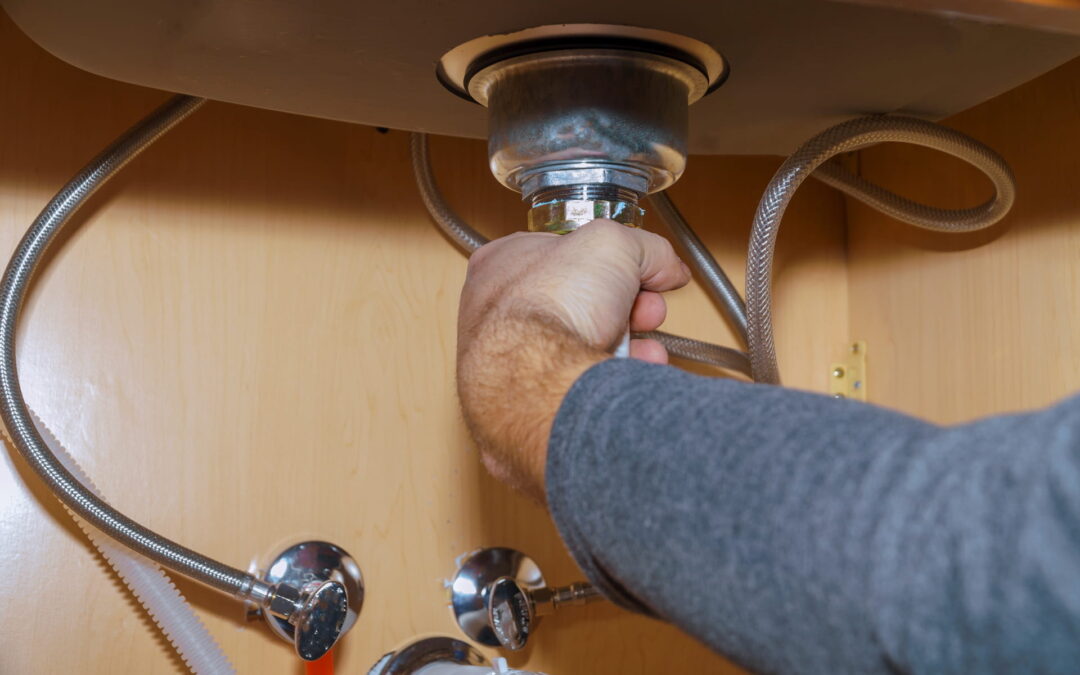
Many homeowners deal with drain clogs that return in frustrating cycles, often without knowing why they keep coming back. Licensed Plumbers discuss why drains clog repeatedly and how homeowners can break the cycle, providing a clearer path toward long-term solutions. The focus centers on daily habits, subtle plumbing conditions, and overlooked warning signs that slowly create deeper problems. DiMarco Plumbing shared a thoughtful reminder, saying, “habit changes are powerful because they influence how drains behave long before clogs begin.”
1. Repeated Drain Blockage Patterns
Recurring clogs often form from a steady mix of buildup and routine behaviors that homeowners seldom realize are contributing. Drain performance weakens over time as residue collects along the interior of pipes, eventually narrowing the water pathway. One homeowner explained to DiMarco Plumbing that a slow drain they ignored for months eventually led to a complete blockage, only to learn that small waste particles had built up for years. EPA findings confirm that daily disposal choices influence plumbing systems more strongly than people expect.
- Gradual buildup forms layers along pipe walls
- Recurring clogs often point to long-term plumbing patterns
- EPA research links lifestyle habits to drain behavior
2. Grease Residue Growth
Grease remains one of the most persistent contributors to repeated kitchen drain clogs because it cools into a rigid, sticky film. USDA studies show that oils and fats turn into firm deposits as they cool, locking onto pipe interiors. Many people rinse with hot water thinking it removes grease, yet plumbers note that the grease simply shifts deeper before solidifying again. DiMarco Plumbing frequently traces recurring blockages back to cooking oils poured down drains over long periods.
- Grease forms resilient coatings inside pipes
- Food debris sticks tightly to greasy surfaces
- Hot water temporarily loosens grease before it hardens further down
3. Soap Scum And Hair Binding
Bathroom drains face recurring clogs due to hair and soap residue bonding into dense, stubborn clusters. The American Cleaning Institute explains that common soaps leave behind fatty deposits when minerals react with cleaning products. Hair wraps around these deposits, forming thick knots that restrict water movement. Plumbers consistently report this mixture as one of the most resistant blockages to remove without specialized tools.
- Hair binds strongly with soap buildup
- Minerals create sticky layers inside pipes
- Tangled clusters resist standard water pressure
4. Food Debris And Expansion
Kitchen drains clog repeatedly when food scraps enter the system often, especially in households that rely heavily on disposals. The Department of Energy notes that foods like rice, pasta, and vegetables expand when exposed to water, sticking to pipe walls. Many homeowners believe disposals grind everything completely, yet plumbers explain that disposals only reduce particle size, not swelling or stickiness. DiMarco Plumbing sees this problem frequently in busy kitchens where quick cleanup habits accidentally create buildup.
- Starch-heavy foods swell significantly inside drains
- Fibers from produce create mesh-like blockages
- Disposals grind food but do not stop residue formation
5. Hard Water Mineral Accumulation
Hard water produces mineral deposits that slowly reduce pipe diameter and make clogs form faster. The U.S. Geological Survey reports that most households experience some level of hard water, which encourages calcium and magnesium buildup along pipe surfaces. These deposits create rough areas that capture debris and slow drainage. Homeowners often notice this only after water movement slows dramatically.
- Minerals settle in layers inside plumbing lines
- Hard water accelerates narrowing of drain pathways
- Deposits trap debris and cause repeated clogging

6. Hidden Objects Inside Drains
Unexpected items often cause recurring issues because they remain lodged for months or even years. Plumbers frequently find swabs, toys, cosmetic items, or wipes stuck inside elbows and junctions where debris naturally gathers. These objects restrict water flow and trigger repeated backups that seem unrelated to homeowner habits. DiMarco Plumbing has removed surprising items that caused long-term issues stemming from barely noticeable drops.
- Hidden objects create permanent obstruction points
- Non-flushable wipes worsen internal blockages
- Items stuck deep inside drains cause ongoing clogs
7. Drain Slope And Pipe Layout Problems
Drain clogs frequently occur when pipe design fails to maintain consistent water movement. The International Plumbing Code notes that drains require a precise slope to prevent standing water, which encourages debris accumulation. When water slows too early in the drain path, buildup forms much faster, turning into a cycle of repeated blockages. Plumbers often see these design concerns in older homes or additions built without modern drainage standards.
- Incorrect slope prevents steady drainage
- Improper angles trap debris inside pipe bends
- Old installations create long-term drainage complications
8. Aging And Damaged Pipes
Aging systems experience recurring clogs because older pipes crack, warp, and corrode, creating jagged surfaces that catch debris easily. The EPA reports that corrosion increases significantly with certain metals, leading to weakened plumbing components. These damaged areas collect buildup far faster than smooth surfaces, turning an occasional clog into a frequent problem. DiMarco Plumbing often finds that replacing damaged sections completely eliminates ongoing drain issues.
- Corroded surfaces create catch points for debris
- Pipes with cracks allow soil or roots to intrude
- Older materials deteriorate and restrict flow
9. Tree Roots Inside Sewer Lines
Tree roots naturally grow toward moisture and often infiltrate sewer lines through tiny cracks or worn joints. USDA research shows that roots follow vapor leaks from older pipes and eventually expand into thick obstructions. These intrusions create recurring blockages that worsen as the roots continue to grow season after season. Plumbers use specialized cutting tools to remove these deep-rooted blockages.
- Roots enter sewer pipes through small openings
- Growth restricts water flow and damages joints
- Recurring backups result from seasonal root expansion
10. Limited Preventative Maintenance
Drain systems clog more frequently when maintenance routines are irregular or ignored. The Department of Energy emphasizes that consistent upkeep improves flow and reduces strain on plumbing systems. Maintenance also uncovers early signs of clog development before symptoms become severe. DiMarco Plumbing recommends steady maintenance because it greatly reduces the chance of repeat drainage failures.
- Routine cleaning slows buildup formation
- Early inspections prevent widespread drain issues
- Regular maintenance decreases emergency plumbing visits
Looking At All Factors Together
The reasons plumbers say drains clog repeatedly reveal patterns tied to age, habits, and plumbing design. Persistent plumbing clogs usually develop from a mixture of residue buildup, improper slope, aging materials, and overlooked waste practices. Homeowners gain more control when they understand how grease, hair, food scraps, minerals, foreign objects, and roots collectively influence long-term drain behavior. DiMarco Plumbing often explains that breaking the cycle effectively requires both improved habits and structural awareness to create lasting changes.

Key Takeaways For Breaking Repeated Drain Clogs Successfully
- Recurring clogs often indicate long-term buildup or structural plumbing problems
- Grease, hair, starches, and minerals remain major contributors
- Aging pipes and roots create deeper recurring blockages
- Preventative maintenance significantly reduces future drain issues
- Awareness of waste disposal habits helps reduce repeated clogs
Frequently Asked Questions
Why do recurring clogs usually return in the same drain?
Clogs often reappear in the same location due to underlying buildup or structural issues that were never fully removed.
Can hair really cause significant drain problems?
Hair combines with soap film and minerals, forming dense tangles that block water movement and create repeat blockages.
Why do food scraps continue causing kitchen clogs?
Foods like pasta and rice expand, stick, and trap debris even after passing through disposals, creating long-term buildup.
How does pipe age affect drainage?
Older pipes develop corrosion, cracks, and uneven surfaces that catch debris and restrict water flow repeatedly.
When should homeowners request a full drain inspection?
Frequent clogs appearing within short intervals suggest deeper issues that require camera inspection or diagnostic evaluation.