
Most property owners notice when something feels off—whether it’s odd sounds at night or sudden damage in quiet corners. Recognizing the warning signs that you might need an animal control service for nuisance wildlife can prevent small problems from spiraling into serious repair jobs. Slidell Animal Control advises watching closely for subtle but repeating behaviors that suggest animals are nesting nearby. “Delays allow more damage, so early attention is critical,” the team warns.
1. Unusual Sounds in Ceilings or Walls
Walls and ceilings shouldn’t echo with scrambling or scratching. These strange sounds often suggest hidden movement—most likely from wildlife establishing a nest. Slidell Animal Control handled a recent call where consistent thumping sounds turned out to be squirrels chewing through joists in an attic that had gone unchecked for months.
- Nocturnal noises are a hallmark of raccoons, bats, or roof rats becoming active after dusk.
- Squirrel activity sounds faster and more scattered than rodents like mice.
- Repeating scratching patterns may mean animals are nesting or attempting escape.
2. Strong Smells from Enclosed Areas
Foul odors drifting from crawlspaces or vents almost never go away on their own. Wildlife like raccoons and skunks release powerful waste odors, and a trapped animal’s death can turn that stench into a biohazard. Slidell Animal Control uses inspection cameras and odor mapping tools to locate and extract carcasses or latrine zones before health risks increase.
- Raccoons often reuse the same defecation spot, creating extremely concentrated odor zones.
- Decomposing animals can emit gases like cadaverine and putrescine, which linger for weeks indoors.
- Skunk spray travels through ventilation systems and leaves an oily, pungent trace that clings to soft materials.
3. Significant Chewing or Entry Damage
Missing shingles, chewed wood, or open vents aren’t random maintenance problems—they’re often direct signs of wildlife breaking in. Animals like raccoons and squirrels target weak spots near soffits or fascia boards. Slidell Animal Control often sees damage worsen when homeowners use temporary fixes like mesh or foam, which are easily torn through.
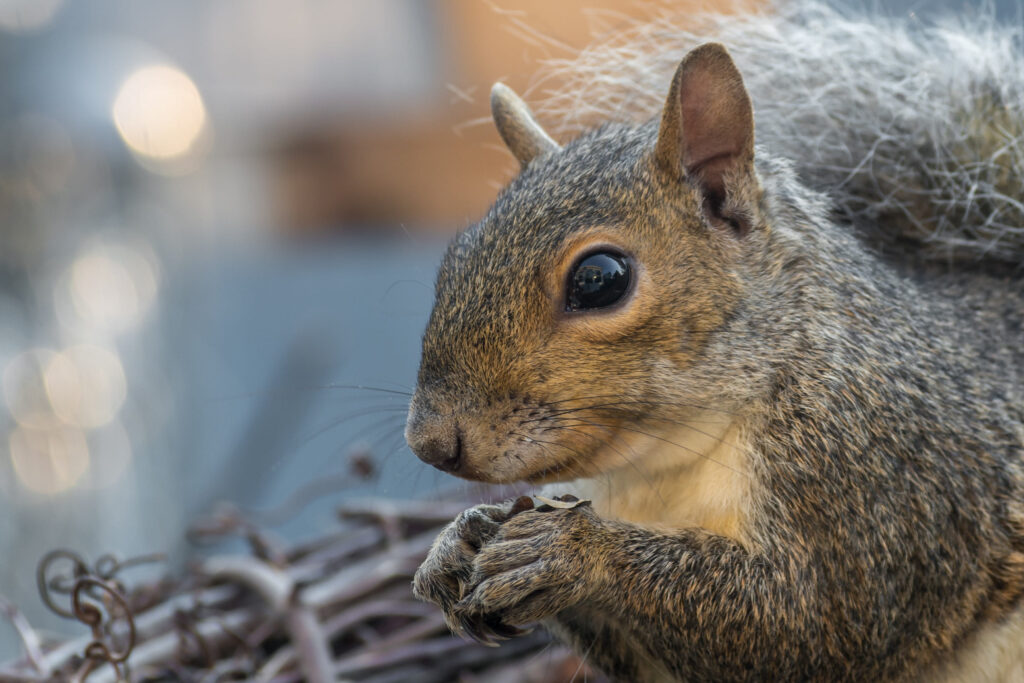
- Chewing on attic beams or HVAC insulation can weaken structural integrity.
- Rats and mice are drawn to plastic and electrical wiring, leading to fire hazards as wires fray.
- Signs of recent gnawing often include fresh wood shavings or insulation pieces near access points.
4. Tracks, Droppings, or Stains Indoors
Unexplained feces, greasy smudges, or claw prints point to a growing wildlife presence. These signs usually appear first in low-traffic areas like attics, basements, or behind appliances. Slidell Animal Control recommends checking dusty corners with a flashlight and gloves, documenting with photos before attempting cleanup to avoid exposure to diseases.
- Rodent droppings are small and pellet-shaped, often appearing in clusters near food or heat sources.
- Grease trails suggest repeated travel routes along walls or through small gaps.
- Dark stains on wood or sheetrock may indicate nesting materials or fecal matter seeping into porous surfaces.
5. Pets Acting Overly Focused or Nervous
Dogs and cats often notice subtle cues before people do. They may growl at seemingly empty corners, scratch at closed doors, or refuse to enter certain rooms. Slidell Animal Control has used canine behavior as an initial signal during several wildlife cases involving raccoons nesting near HVAC units or under flooring panels.
- Persistent barking at vents or crawlspace access panels usually means movement is occurring inside.
- Cats that hiss or freeze near a wall might be reacting to ultrasonic noises from bats or rodents.
- Heightened anxiety in pets can indicate invisible threats like pheromones or hidden animal activity.
6. Daylight Sightings of Nocturnal Creatures
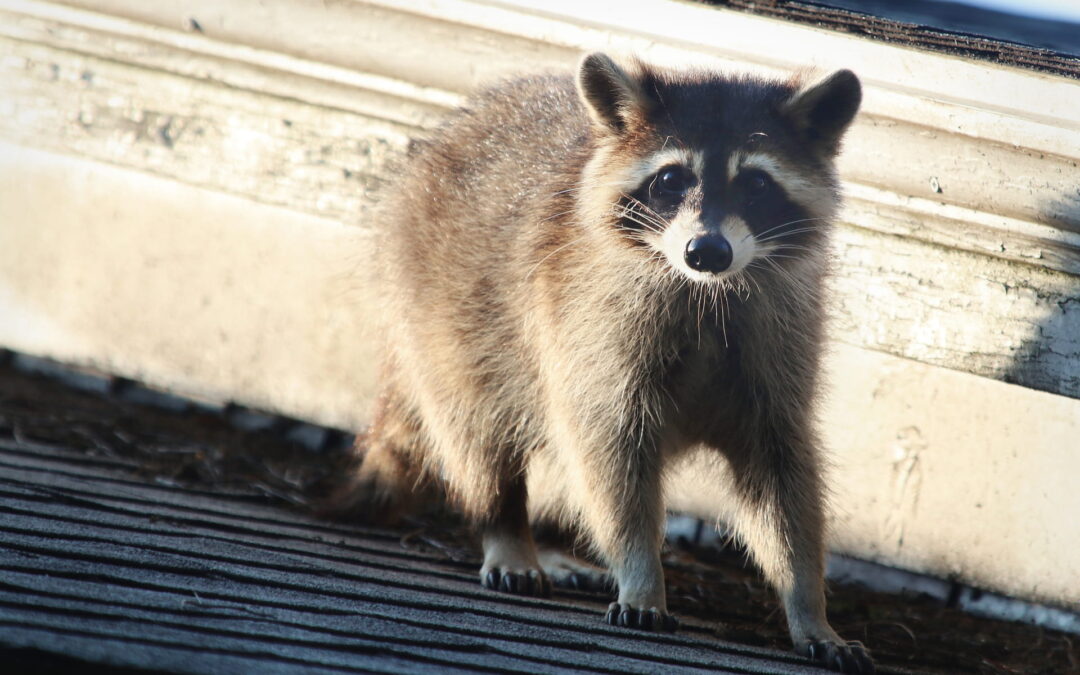
Spotting a raccoon or skunk during the day shouldn’t be ignored. Nocturnal animals operating outside normal hours may be sick, displaced, or showing stress-related behavior. Slidell Animal Control frequently associates daytime wildlife behavior with increased urban activity and disrupted food sources, sometimes tied to nearby construction or weather shifts.
- Healthy raccoons typically rest during the day—visible activity can point to habitat loss or overcrowding.
- Diurnal appearances from nocturnal animals can sometimes indicate rabies or distemper.
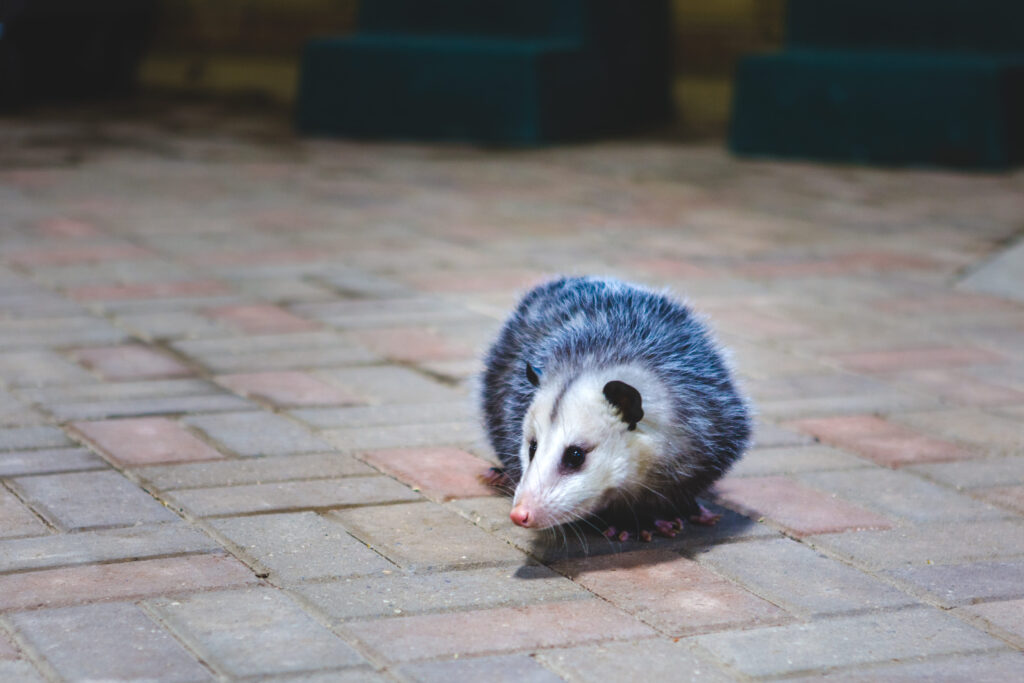
- Skunks and opossums that walk unsteadily in broad daylight should be avoided and reported.
7. Repeated Entry Attempts After Blocking Access
When wildlife keeps returning to an entry point, even after it’s blocked, it’s not a coincidence. Some species—particularly squirrels, rats, and raccoons—can chew through foam, mesh, or even soft wood repeatedly to regain access. Slidell Animal Control emphasizes the need for steel screening, anchored flashings, and full-home exclusion checks to solve recurring issues permanently.
- Animals can identify previous nest sites by scent alone and will return even after removal.
- Chewing damage near patched entry holes often increases over time if not reinforced with tougher materials.
- Only full-perimeter assessments can locate all secondary access points missed during DIY fixes.
Overview of Wildlife Warning Indicators
Each of these seven signs offers a window into the health and safety of a property. Scratching sounds, visible droppings, entry damage, and strange smells don’t happen in isolation—they often build up in clusters. Acting early means fewer repairs, lower contamination risk, and faster animal removal. Slidell Animal Control highlights that a proactive response reduces the chances of a long-term infestation, and expert evaluation is crucial when the signs begin to stack up.
Key Takeaways
- Noises in walls or attics often reveal hidden animals like squirrels or raccoons.
- Persistent smells indoors may come from waste or deceased wildlife.
- Chewed wiring or torn insulation is a sign of active nesting or gnawing.
- Droppings and tracks inside signal ongoing movement and presence.
- Pets showing stress may be detecting wildlife humans can’t hear or smell.
- Daytime sightings of nocturnal animals suggest health or habitat issues.
- Repeat intrusion attempts often require full exclusion work by professionals.
Frequently Asked Questions
- What’s the biggest risk with ignoring strange noises in the attic?
Animals nesting near electrical lines can chew wires and spark fires or damage insulation that controls temperature. - How do I know if the smell is coming from an animal?
The odor usually becomes stronger in warm conditions and may be accompanied by flies, stains, or animal waste near vents. - Why is my dog barking constantly at the same part of the house?
Dogs can hear movement behind walls or under floors where wildlife may be living undetected by human senses. - Are daytime raccoon sightings always dangerous?
Not always, but they are rarely normal. Call animal control if the animal looks confused, moves slowly, or approaches people. - Can animals really get back in after I close up the hole?
Yes, without reinforced exclusion methods, many animals will return using the same entry point or create a new one nearby.