
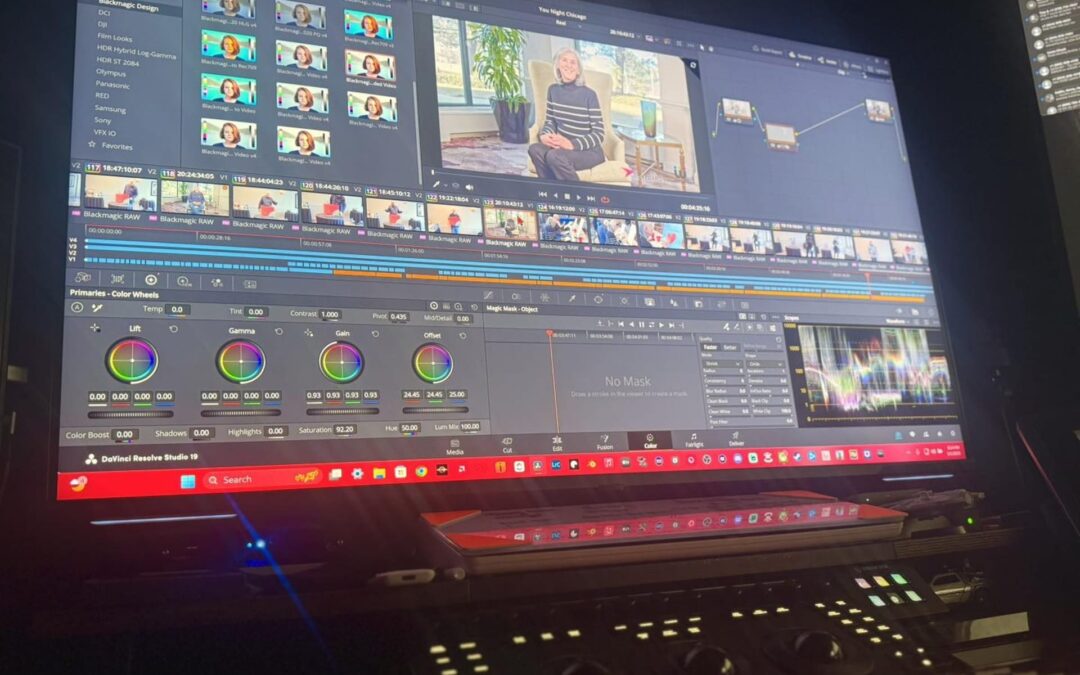
Each branded video may look effortless, but the production process behind it is layered and unpredictable. Creative directions shift, logistics evolve, and small choices often influence the entire result. Video production, while visually captivating, demands thorough planning, consistent teamwork, and steady communication. Slate Media Studios points out “Marketing efforts often go off track not due to lack of creativity, but from a shallow understanding of how video production actually unfolds”.
1. Hidden Financial Layers in Video Production
Budgets rarely cover everything from the outset. Beyond paying camera operators and renting gear, costs emerge from technical supervision, licensing, post-processing, and insurance. Data from the U.S. Bureau of Labor Statistics reveals median annual earnings for video editors hover around $70,980, while camera operators average $68,810. Additional layers include unforeseen overtime, talent replacements, and equipment breakdowns.
-
Crew overtime and last-minute staffing can inflate hourly expenses
-
Backup gear, location prep, and insurance carry separate fees
-
Licensing music or stock footage adds recurring usage costs
2. Creative Foundations Dictate Production Results
The strength of the concept directly affects production quality. When messaging is vague or visuals are loosely defined, confusion spreads quickly across teams. Pre-production is the stage where tone, pacing, and storytelling should be locked. Slate Media Studios advises mapping visual themes and outlining the audience journey to avoid improvising under pressure.
-
Detailed scripting clarifies tone and scene flow before cameras roll
-
Messaging should anticipate platform-specific viewer behavior
-
Branding consistency requires early creative alignment
3. Timing Needs Precision to Avoid Delays
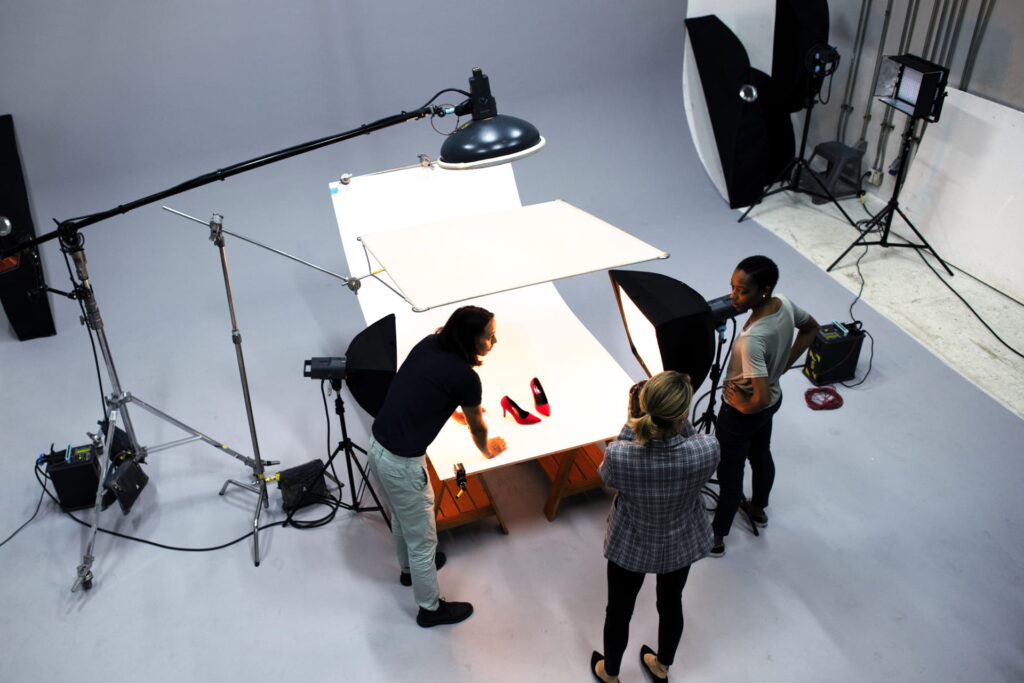
Timelines are typically tighter than they seem. Even a basic shoot involves equipment transport, location setup, audio calibration, and talent coordination. A single delay, like weather issues or missed delivery windows, can create ripple effects that slow everything down. Production estimates suggest commercial shoot days can cost between $25,000 to $60,000, which doesn’t include revision rounds or re-edits.
-
B-roll and alternate takes add hours to both shoot and edit phases
-
Rescheduling talent or crew costs time and contract fees
-
Every delay impacts campaign scheduling and media buy deadlines
4. Pre-Production Strategy Improves Execution
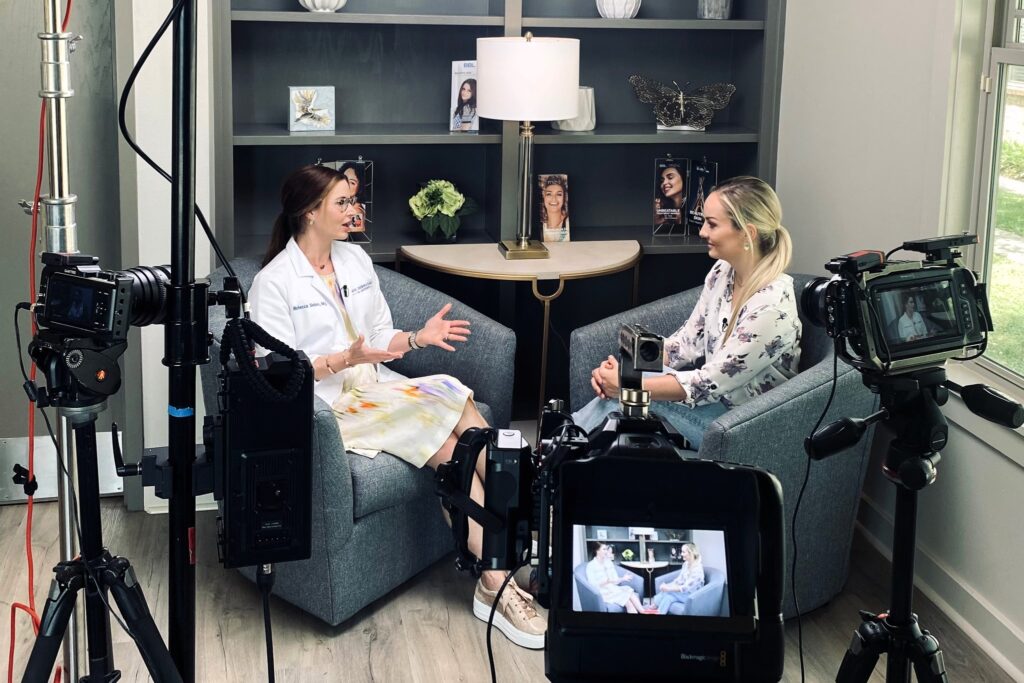
Robust planning reduces surprises during the most resource-intensive parts of production. That means reviewing shot lists, assessing physical space limitations, checking equipment readiness, and rehearsing key sequences. According to Video maker, detailed pre-production reduces shoot-day stress and limits technical issues. Slate Media Studios recommends reviewing each location for lighting direction, ambient sound, and safety compliance.
-
Shot list planning increases team efficiency on filming days
-
Location walk-throughs prevent avoidable lighting or background challenges
-
Cast preparation lowers on-set error rates and increases pacing control
5. Sound and Lighting Control Viewer Retention
Audience reactions depend on production quality more than they realize. Overly bright lighting or jarring sound can instantly disengage viewers, even if the message is strong. Nielsen research shows viewers quickly associate audiovisual clarity with trustworthiness and professionalism. Slate Media Studios performs light tests and mic placement trials before full shoot execution.
-
Balanced lighting flatters talent and reduces post-edit corrections
-
Directional microphones reduce background interference
-
Tone matching (soundtrack to scene) keeps viewer attention stable
6. Editing Influences Emotional Engagement
Post-production isn’t simply about cleaning up footage—it builds emotional rhythm. Editors craft transitions, tempo, graphics, audio effects, and match visuals to campaign intent. The U.S. Bureau of Labor Statistics ranks editing among the most technically intensive creative professions. Slate Media Studios builds flexibility into the editing timeline so clients can assess pacing, tone, and visual consistency without being rushed.
-
First cuts focus on structure, while second and third rounds refine timing and energy
-
Music selection, transitions, and pacing adjust based on viewer retention goals
-
Subtitle embedding and aspect ratio changes are often necessary for cross-platform delivery
7. Misaligned Expectations Disrupt the Entire Process
Creative misalignment derails projects more than production issues. Last-minute changes, unclear responsibilities, and shifting direction all increase pressure on the crew and editors. Slate Media Studios stresses that finalizing visual references and creative tone early is essential to staying on track. Projects with a single decision-maker and defined review process move faster and with fewer conflicts.
-
Style guides help maintain visual and tonal consistency across teams
-
Deadlines for feedback and approvals should be set before production begins
-
Early reference videos clarify mood, pacing, and viewer intent
Key Takeaways From 7 Video Production Realities Marketers Should Deeply Understand
-
Production budgets must include staffing, planning delays, licensing, and extra gear
-
Storyboarding and scripting shape the message before anything is filmed
-
Unanticipated setbacks can extend shoot days and inflate labor costs
-
Detailed pre-production improves scene accuracy and scheduling
-
Viewers react strongly to lighting and audio clarity
-
Editing brings emotional tone and message timing into final form
-
Consistent communication and direction protect the budget and timeline
Frequently Asked Questions
1. What causes video production budgets to escalate mid-project?
Last-minute reshoots, talent cancellations, and extended post-production timelines usually add unexpected costs.
2. How long is typical pre-production for a small brand shoot?
Two to three weeks are often needed for scripting, casting, equipment prep, and location clearances.
3. What factors slow down editing?
Client revisions, visual effects integration, platform formatting, and audio adjustments all require multiple sessions.
4. How does bad lighting affect brand perception?
Unflattering light can make the product or spokesperson seem unprofessional, reducing audience trust and engagement.
5. Why assign a single creative lead during production?
Consolidating feedback through one person reduces conflicting edits and prevents approval delays.