
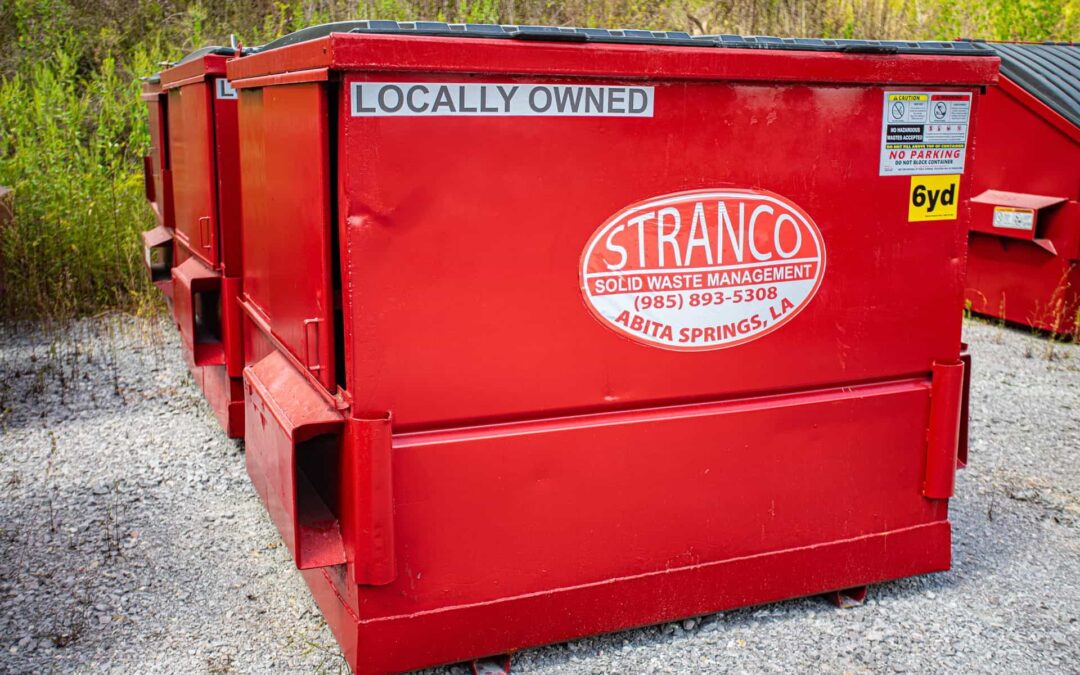
Getting the right container size can make or break a cleanup. What starts as a seemingly simple choice often leads to delays or added costs when not properly planned. A thoughtful dumpster rental decision helps maintain workflow and site safety, especially on tight timelines or during busy seasons when disposal needs can shift quickly. Choosing a container that fits both the volume and type of debris helps prevent overflow and keeps the project moving without interruptions. It also reduces the need for last-minute adjustments that can slow progress or increase expenses. A representative from Stranco Solid Waste Management said, “People often misjudge the way debris stacks and how fast even a small load can overwhelm a bin, which is why planning ahead with the right size can make a noticeable difference.”
1. Type and quantity of waste impact size requirements
Different projects produce varying amounts of waste, but the real difference lies in the material. Tearing out dense flooring, hauling broken tile, or discarding thick wood planks adds volume and weight fast. An interior remodel may look manageable until bulky materials start to pile up, and suddenly a 10-yard container isn’t enough.
-
Heavy debris like tile or old subfloor consumes space rapidly
-
Cabinets and fixtures don’t compress, leaving wasted air gaps
-
Estimating waste by weight and volume gives a more accurate size guide
2. Frontload containers support recurring commercial waste patterns
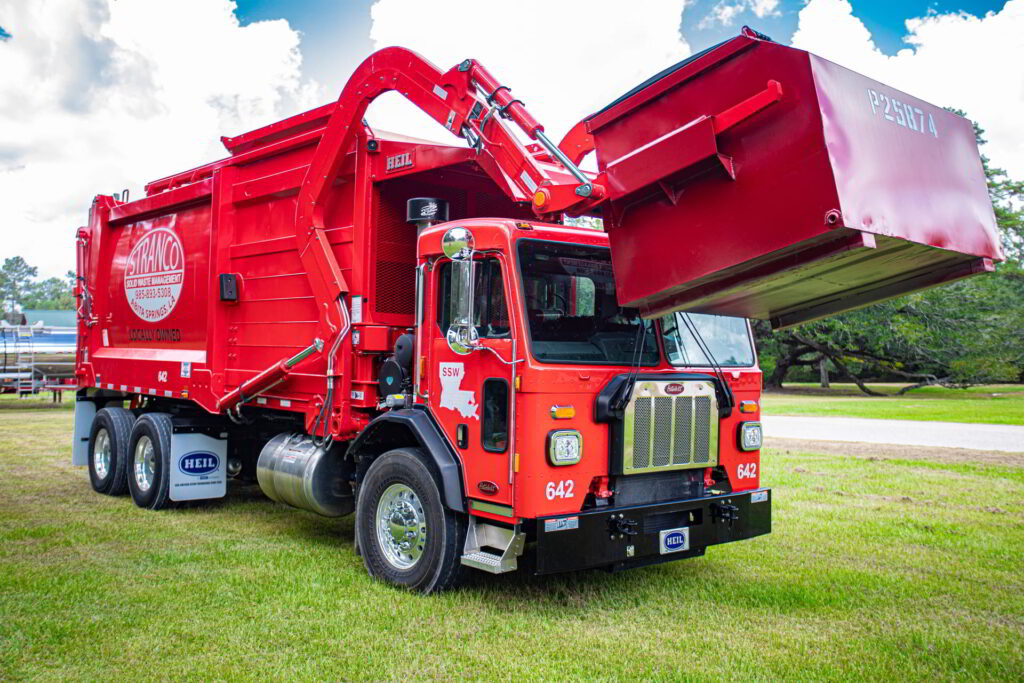
Business operations with steady disposal needs rely on frontload containers that range from 2 to 8 cubic yards. These bins are tailored for ongoing waste output like packaging, paper, food scraps, or shipping debris. A coffee shop using large volumes of cups and boxes might need a 4-yard container with twice-weekly service, while a small hotel kitchen could use an 8-yard setup with three weekly pickups.
EPA studies confirm that commercial facilities, especially food service providers, contribute significantly to municipal solid waste and must maintain regular disposal to avoid compliance issues.
-
2-yard containers work for low-waste offices or boutique shops
-
4 and 6-yard bins are ideal for retail stores or cafés with regular waste
-
8-yard containers suit hotels, restaurants, or event venues with high output
3. Home upgrades lead to more debris than expected
Residential improvement projects, even small ones, generate unpredictable waste. Kitchen upgrades alone can involve drywall, insulation, countertops, and broken appliances—all of which vary in shape and density. Stranco often sees homeowners overwhelmed by how fast a bin fills once the real teardown begins.
The National Association of Home Builders notes that residential renovations can produce over 75 pounds of waste per square foot depending on the project scale and materials removed.
-
Bathroom remodels often outpace 10-yard containers due to fixtures and tile
-
Kitchens generate bulky, awkward items that don’t stack cleanly
-
Planning for a 20% overage buffer avoids project slowdowns
4. 30 yard roll off dumpsters fit heavy construction debris
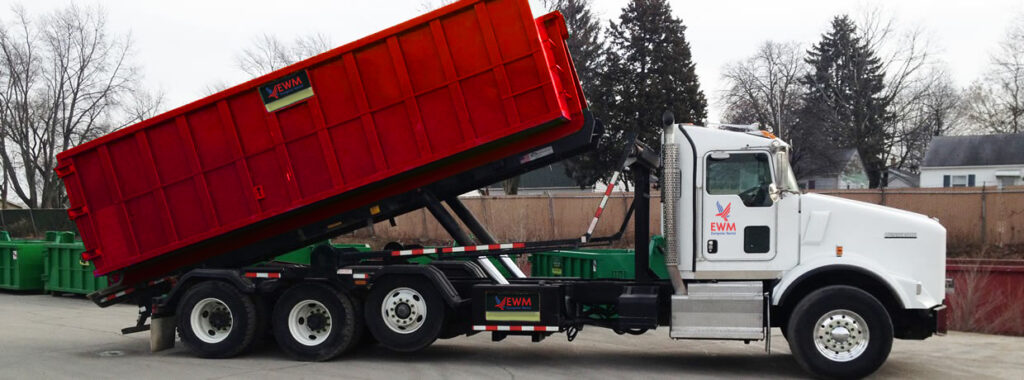
Large-scale construction projects come with dense, irregular waste that needs significant space. A 30 yard roll off dumpster rental handles this with ease, offering the capacity to hold materials from major demos like roofing tear-offs, concrete removals, or structural framing. These bins are efficient for contractors managing tight timelines.
EPA data shows construction waste now surpasses 600 million tons annually, and most of it ends up in landfills—underscoring the need for well-planned disposal logistics.
-
30-yard containers hold up to 4 tons of mixed construction debris
-
Useful for complete renovations, siding replacements, and multi-room builds
-
Fewer hauls reduce interruption and labor waste during fast-moving projects
5. Disposal frequency must align with container size
Waste generation isn’t always consistent, which means container size and pickup schedules must work together. A grocery store producing daily organic waste won’t benefit from a large bin if it sits for days. By contrast, a bookstore with low-volume paper waste might only need weekly service despite using a bigger container.
EPA guidance emphasizes flexible planning, noting that waste output varies seasonally and should be reassessed throughout the year.
-
Frequent pickups may allow businesses to use smaller containers efficiently
-
Weekly reassessments help identify overflows or wasted space
-
Matching pickup timing to peak hours prevents backup during high-traffic times
6. Site layout determines realistic container placement
Not every space can accommodate a large dumpster. Tight corners, narrow alleyways, and tree coverage often limit what can be delivered safely. A 30 yard roll off may fit the waste volume, but not the physical dimensions of the property.
Stranco frequently walks clients through a pre-delivery site check to prevent mismatched bin deliveries or costly relocation.
-
Delivery trucks require straight access and clearance to place bins
-
Driveways with inclines or curves can limit maneuverability
-
Sidewalks or street placement might require city permits before drop-off
7. Weight caps and material limits affect what can be loaded
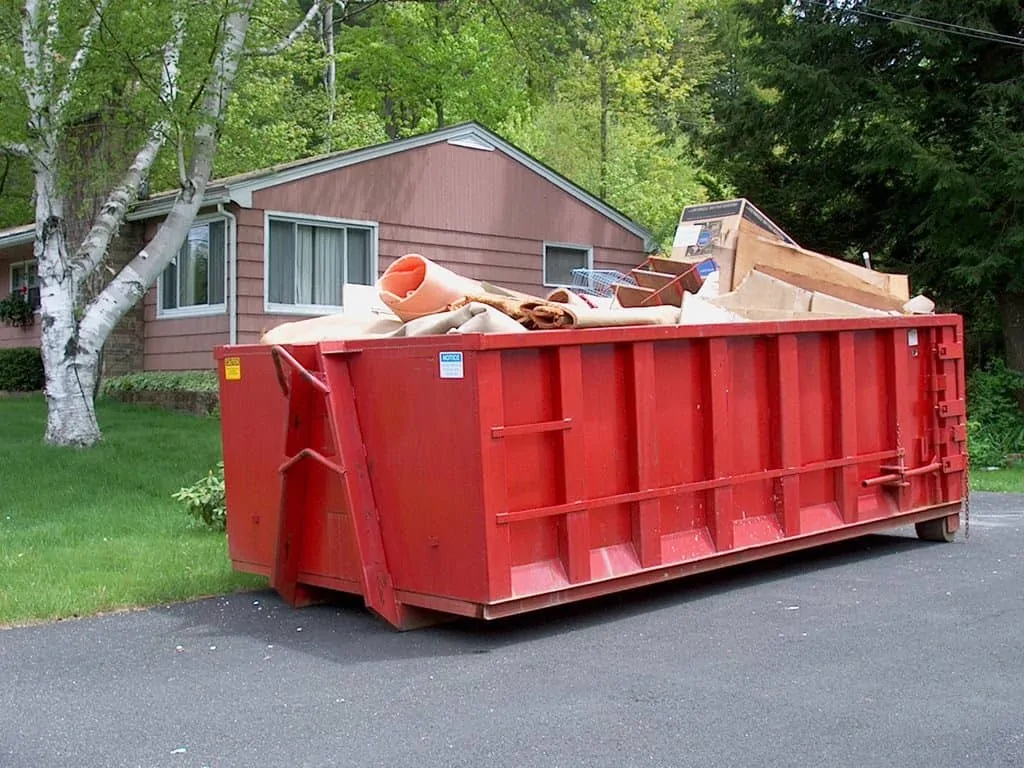
Weight limits often surprise users—especially when dealing with construction waste. A bin that looks half full can already be at its legal weight limit if it’s filled with shingles, cement, or stone. Additionally, most areas restrict disposal of electronics, paint, and other hazardous items in general waste containers.
The EPA classifies several materials as hazardous and enforces disposal standards to reduce soil and water contamination risks.
-
Always check bin-specific weight caps before disposal begins
-
Heavy waste types like gravel may need smaller, specialty bins
-
Prohibited materials like batteries, chemicals, or tires require separate services
Key takeaways for choosing the right dumpster rental size
Finding the right dumpster rental involves more than choosing a bin that “looks about right.” It requires a clear understanding of what’s going into it, how often waste will be removed, and how the delivery area is set up. Estimating both weight and volume, checking access, and being aware of disposal regulations all work together to avoid delays and cost overruns.
-
Project size should be matched with both weight and type of waste
-
Commercial bins must reflect consistent output and local compliance rules
-
Construction debris needs strong, high-capacity containers
-
On-site space is as important as container size
-
Hazardous waste must always be handled outside regular dumpster service
Frequently Asked Questions
What’s the easiest way to estimate dumpster size?
Break down each type of material you’re disposing of and use a cubic yard calculator. Add 10–20% to your total for safety.
Is a 10-yard bin enough for a bathroom remodel?
Not always. It depends on how many fixtures and wall sections are being replaced. Tubs and tile can overwhelm smaller bins quickly.
How much weight can a 30 yard dumpster hold?
Typically 3 to 4 tons, but the cap varies by provider and local regulations. Always ask before loading dense materials.
Do all cities require permits for street placement?
Most do. If the container blocks access, parking, or sidewalks, you’ll need approval from your city or county.
Can electronics go into a construction dumpster?
No. Items like televisions, batteries, and computers must be handled through e-waste programs or designated drop-off locations.