
Energy costs continue to challenge homeowners across the country as heating and cooling systems work harder to maintain comfortable indoor temperatures throughout the year. Roofing materials, ventilation systems, insulation levels, and even roof color can influence how much energy a home consumes every day. Energy-efficient roofing solutions have become an increasingly important topic because they help reduce unnecessary energy loss while improving indoor comfort. “Many homeowners focus on windows and HVAC equipment first, but we often find that the roof is one of the largest contributors to energy waste when aging materials, poor ventilation, or inadequate insulation are involved,” explains a roofing contractor from Advanced Roofing and Siding. The following insights examine how different roofing improvements can support lower utility bills and better long-term performance.
Understanding Energy-Efficient Roofing Solutions
Energy-efficient roofing solutions focus on reducing heat transfer between the roof and the living space below. A homeowner dealing with consistently high summer cooling bills may discover that excessive attic heat is forcing the air conditioner to run far longer than necessary. Small improvements can create meaningful results. “We encourage homeowners to think of the roof as a complete system rather than a collection of individual parts because insulation, ventilation, and roofing materials all work together,” said a roofer from Advanced Roofing and Siding. Several roofing components contribute to better efficiency and are worth examining individually.
- Roof systems affect heating and cooling costs
- Attic temperatures influence indoor comfort
- Multiple roofing components work together
1. Cool Roof Materials Reflect More Solar Heat
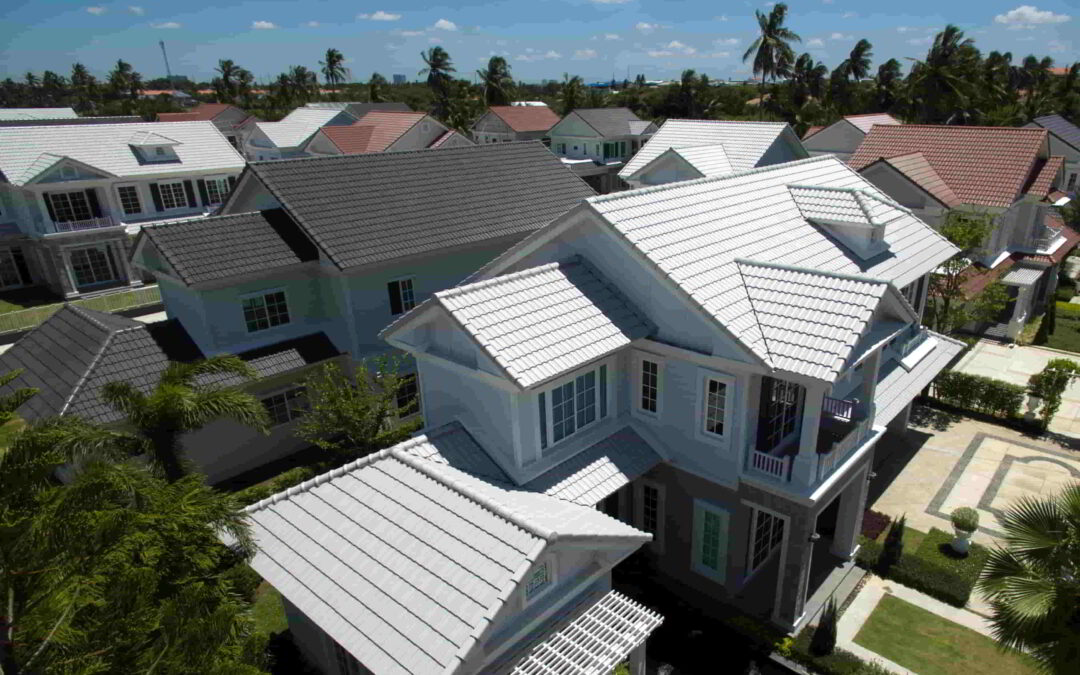
Cool roofs are designed to reflect a larger portion of sunlight and absorb less heat than conventional roofing materials. Reflective shingles, coated metal roofing, and specially engineered membranes help keep roof surfaces cooler during periods of intense sunlight. Lower surface temperatures can reduce attic heat buildup significantly. According to the U.S. Department of Energy, cool roofs can lower roof temperatures substantially and may reduce cooling costs in certain climates.
- Reflective materials reduce solar heat absorption
- Cooler roofs lower attic temperatures
- Reduced heat gain may decrease cooling costs
2. Proper Roof Insulation Creates Year-Round Benefits
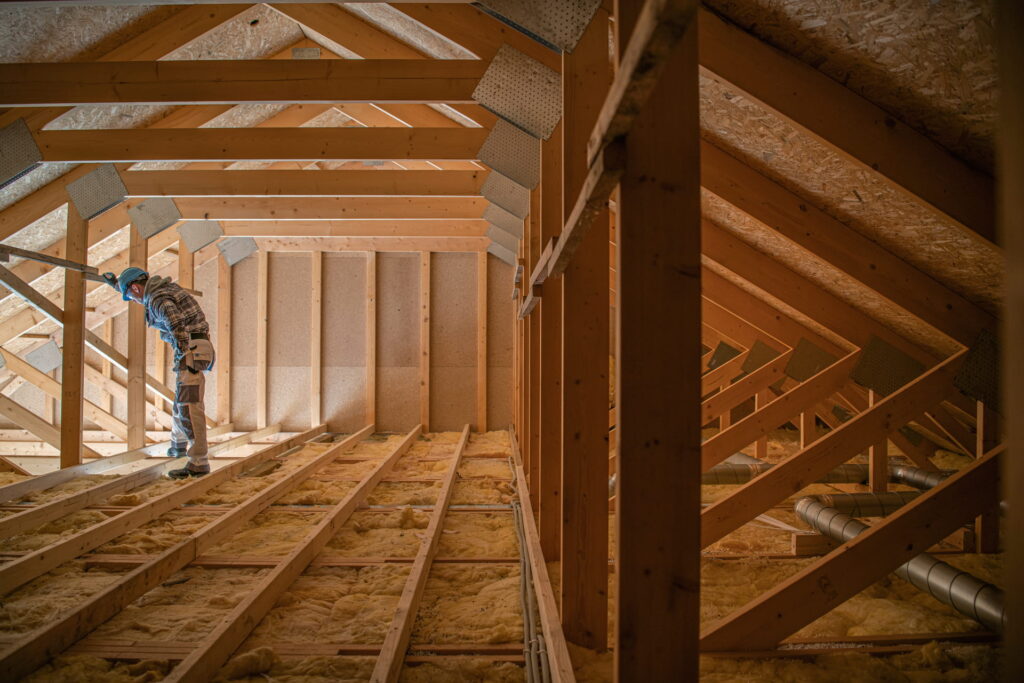
Roof insulation acts as a protective barrier that slows the movement of heat into and out of a home. During summer months, insulation helps prevent outdoor heat from entering living spaces. During winter, it helps keep heated air indoors where it belongs. Strong insulation performance contributes to comfort throughout every season. The U.S. Department of Energy notes that homeowners can reduce heating and cooling expenses through properly installed insulation and air sealing measures.
- Insulation limits heat transfer
- Indoor temperatures remain more consistent
- Heating and cooling systems work less frequently
3. Attic Ventilation Helps Control Excess Heat
Attic ventilation plays a major role in maintaining energy efficiency because trapped heat can build quickly beneath the roof deck. Poor airflow often creates elevated attic temperatures that place additional strain on cooling equipment. Balanced intake and exhaust ventilation help move hot air outside before it affects living areas. Effective ventilation also helps control moisture accumulation that can affect insulation performance over time.
- Ventilation removes trapped attic heat
- Airflow helps protect insulation effectiveness
- Balanced systems improve overall roof performance
4. Roof Color Influences Energy Consumption
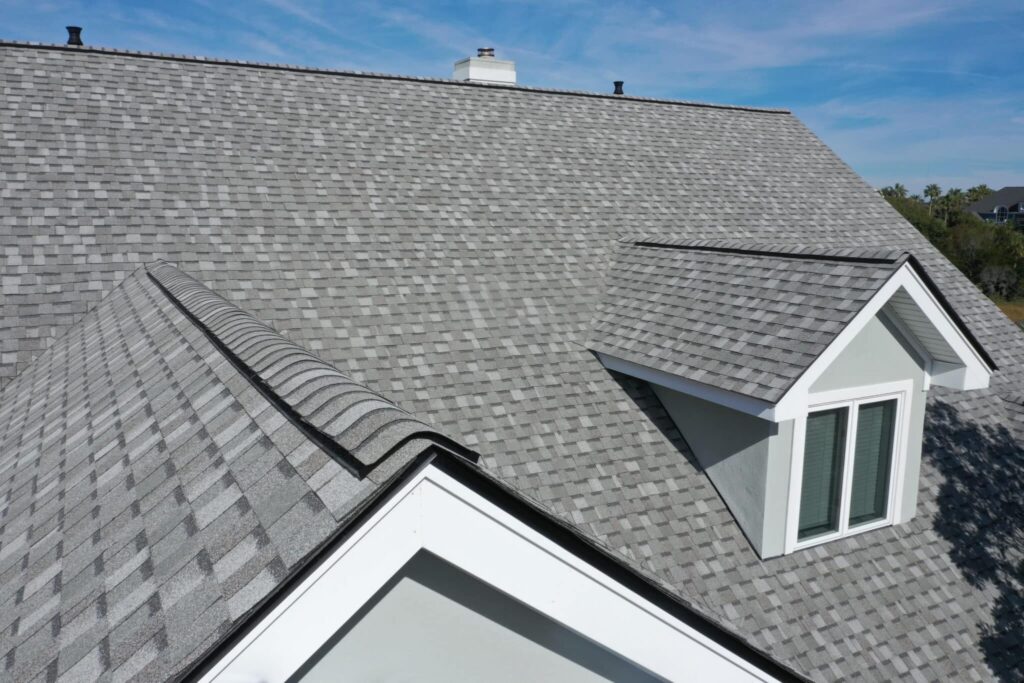
Roof color affects how much solar radiation is absorbed throughout the day. Lighter-colored roofing materials generally reflect more sunlight, while darker surfaces tend to absorb additional heat. Climate conditions often determine whether lighter or darker roofing choices make the most sense for a particular property. Research conducted by the Lawrence Berkeley National Laboratory has demonstrated the impact reflective roofing surfaces can have on building energy performance.
- Light-colored roofs reflect more sunlight
- Darker roofs typically absorb more heat
- Climate should influence color selection
5. Reflective Roof Coatings Add Another Layer of Protection
Reflective roof coatings provide an additional option for homeowners who may not be ready for a complete roof replacement. These specialized coatings help reduce solar heat absorption while protecting roofing materials from prolonged exposure to sunlight. Application methods vary depending on roofing type and condition. Many property owners appreciate that coatings can improve performance while extending the useful life of existing roofing systems.
- Coatings increase solar reflectivity
- Roof surfaces remain cooler
- Existing materials gain added protection
6. Modern Roofing Materials Offer Improved Efficiency
Today’s roofing products are often manufactured with energy performance in mind. Advanced shingle technologies, metal roofing systems, and synthetic roofing materials frequently include features that improve solar reflectance and thermal performance. Material innovations continue to evolve rapidly. Homeowners now have more options available than ever before when selecting roofing products designed to improve efficiency.
- Modern materials support energy savings
- Improved technology enhances performance
- Additional options allow customized solutions
7. Professional Installation Maximizes Performance
Even the most advanced roofing materials can fall short if installation practices are not performed correctly. Proper flashing, ventilation placement, insulation integration, and material installation all influence overall energy performance. Small installation errors can create larger efficiency problems later. Professional roofers help ensure roofing systems operate as intended while meeting manufacturer specifications.
- Proper installation protects performance
- Roof components function more effectively
- Manufacturer requirements are maintained
Why Energy-Efficient Roofing Solutions Matter Long Term
Energy-efficient roofing solutions affect far more than monthly utility bills. Cool roofing materials, quality insulation, proper ventilation, reflective coatings, and thoughtful material selection all contribute to a more comfortable indoor environment while reducing unnecessary energy consumption. Homeowners often notice benefits that extend beyond cost savings, including improved indoor temperature consistency, reduced HVAC strain, and enhanced roof longevity. Roofing systems function as a complete package, and each component plays an important role in determining overall performance. Careful planning and professional guidance help ensure homeowners select solutions that align with their climate, goals, and budget while creating meaningful long-term value.
Energy-Efficient Roofing Solutions Key Takeaways
- Cool roofs can help reduce solar heat absorption.
- Roof insulation supports year-round energy efficiency.
- Attic ventilation helps control heat buildup.
- Roof color influences overall energy performance.
- Reflective coatings can improve existing roof efficiency.
- Modern roofing materials offer enhanced thermal performance.
- Professional installation helps maximize energy savings.
Frequently Asked Questions
Can an older roof become more energy efficient without replacement?
Reflective coatings, upgraded insulation, improved ventilation, and targeted repairs can often improve efficiency without requiring a complete replacement.
Do energy-efficient roofing solutions work in colder climates?
Yes. Proper insulation and ventilation help reduce heat loss during winter while maintaining indoor comfort.
How much can cool roofs reduce temperatures?
According to Energy Star and the U.S. Department of Energy, cool roofs can significantly lower roof surface temperatures compared to conventional roofing materials.
What roofing material is commonly associated with energy efficiency?
Metal roofing, reflective shingles, and cool roof systems are frequently selected because of their ability to reduce solar heat absorption.
Why is attic ventilation important for roofing performance?
Attic ventilation helps remove excess heat and moisture, supporting insulation performance and reducing strain on heating and cooling equipment.