

Homeowners insurance plays a steady role in protecting one of the largest financial commitments most people ever make, and the process can feel overwhelming without clear guidance. Coverage decisions affect repairs, rebuilding, and long-term stability when unexpected damage occurs. A closer look at homeowners insurance reveals how thoughtful planning prevents costly surprises. Southern Ambit Insurance explains, “Strong homeowners coverage begins with understanding real risks and preparing for situations homeowners rarely expect but frequently face.”
- Understanding how coverage protects both structure and belongings
- Recognizing hidden gaps that leave homeowners exposed
- Planning for risks tied to weather, water, and property changes
1. Practical Approaches to Buying Homeowners Insurance
Buying homeowners insurance requires more than choosing a number that feels comfortable, it requires matching coverage to actual rebuilding costs and personal property value. Consider a homeowner who renovated a kitchen but never updated coverage, only to discover after storm damage that replacement costs exceeded limits. Situations like this occur across the country and often create unexpected financial stress. Preparation prevents regret.
- Review dwelling limits against current construction costs
- Confirm personal property coverage reflects real inventory
- Check additional living expense coverage for temporary housing needs
2. Recognizing Risks That Influence Homeowners Insurance Decisions
Environmental and structural risks shape how homeowners insurance performs when disaster strikes. According to FEMA, weather-related disasters account for the majority of major property losses nationwide each year. Ignoring these risks often leads to denied claims or partial payouts. Awareness leads to better protection.
- Storm damage remains one of the leading causes of claims
- Older roofs increase both risk and premiums
- Proximity to water affects required coverage decisions
3. Common Coverage Mistakes That Cost Homeowners Later
Many homeowners assume their policy covers every scenario, which is rarely the case. Underinsuring a home or misunderstanding exclusions remains one of the most common issues cited by the Insurance Information Institute. When claims arise, confusion turns into frustration quickly. Clear knowledge reduces that risk.
- Actual cash value differs greatly from replacement cost
- Wear and tear exclusions limit older component claims
- Coverage caps may restrict high-value personal items
4. Why Flood Insurance Deserves Separate Attention
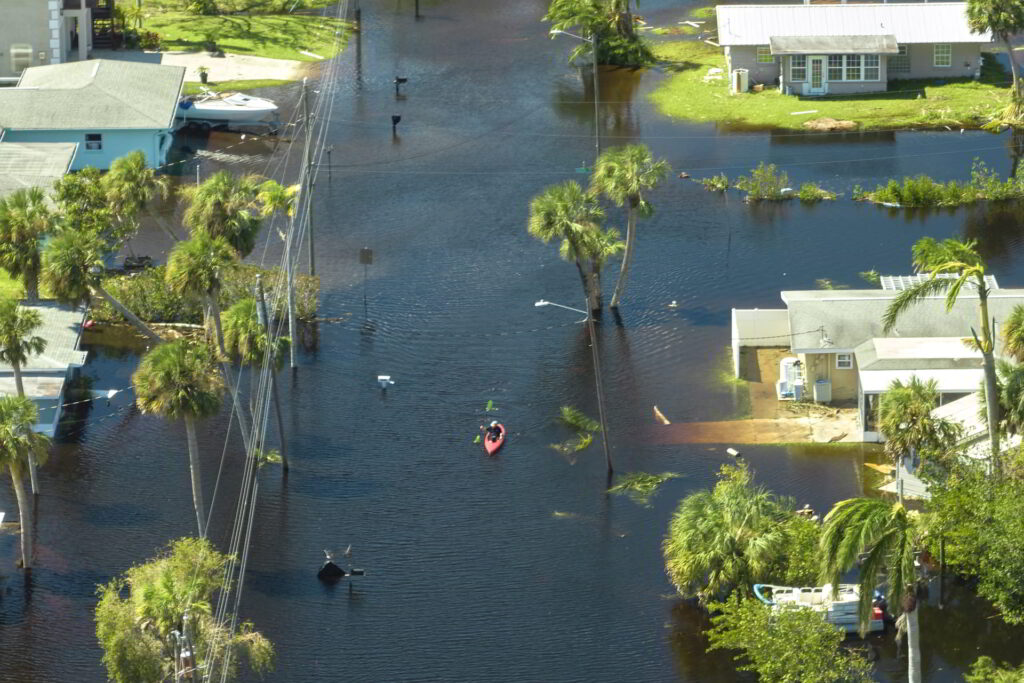
Flood Insurance remains one of the most misunderstood components of property protection. Standard homeowners insurance policies typically exclude flood damage, even when flooding results from heavy rainfall or storm surge. FEMA reports that more than 20 percent of flood claims occur outside high-risk flood zones. That statistic surprises many homeowners and highlights the importance of evaluating separate protection.
- Flood damage requires a separate Flood Insurance policy
- Low-risk zones still experience flooding events
- Federal flood maps provide valuable risk insights
5. Ways Homeowners Can Control Insurance Premium Costs
Premium costs reflect both risk and preparedness. Homeowners who invest in mitigation often see measurable savings over time. The Insurance Institute for Business and Home Safety reports that fortified roofs and storm-resistant upgrades significantly reduce loss severity. Small changes matter and long-term savings accumulate.
- Security systems may lower theft-related premiums
- Wind-resistant roofing materials reduce storm risk
- Policy bundling often leads to lower combined costs
6. Organizing Documentation Before a Claim Happens
Claims move faster when documentation already exists. The Insurance Information Institute recommends maintaining a current home inventory with photos and receipts stored digitally. When damage occurs, stress levels rise quickly. Organization brings clarity and prevents disputes during claim evaluations.
- Photograph rooms and major possessions
- Store documents in cloud-based backups
- Track renovation costs for future reference
7. Understanding the Claims Process Before It Is Needed
The claims process follows structured steps that feel less intimidating when understood early. FEMA and state insurance departments stress timely reporting as one of the most important factors in claim success. Delays complicate recovery and can slow payments. Speed matters when unexpected property damage occurs.
- Notify the insurer promptly after damage
- Prevent further loss when safe to do so
- Maintain records of all repair communications
8. Why Policy Reviews Matter as Homes Change
Homes evolve over time through renovations, additions, and upgraded systems. Coverage should evolve alongside those changes. According to the U.S. Census Bureau, home improvement spending continues to rise annually, increasing replacement values across the country. Static policies fall behind changing property values and growing personal asset collections.
- Renovations increase rebuild costs
- New valuables may exceed existing limits
- Policy endorsements address changing needs
9. How Experience Shapes Better Insurance Decisions
Experienced planning reveals blind spots homeowners often overlook when reviewing coverage independently. Insurance professionals who analyze property claims daily recognize patterns that lead to denied coverage or unexpected out-of-pocket expenses. Knowledge accumulates over time, and homeowners who stay informed make stronger decisions. Careful policy evaluation provides stability during stressful recovery periods.
- Professional reviews identify overlooked risks
- Policy comparisons reveal hidden differences
- Long-term planning stabilizes future costs
10. Long-Term Protection Strategies for Homeowners Insurance
Homeowners insurance delivers dependable protection when policies align with rebuilding costs, environmental hazards, and household changes. Flood Insurance remains a crucial companion to standard homeowners coverage, especially as severe weather events continue to increase across the United States according to NOAA disaster tracking reports. Southern Ambit Insurance encourages homeowners to treat coverage planning as an ongoing responsibility rather than a one-time purchase, noting that steady reviews help families maintain strong protection as risks evolve and property values grow.

Key Takeaways on Buying Homeowners Insurance
Homeowners insurance functions best when coverage reflects true property value, environmental exposure, and lifestyle changes. Flood Insurance closes a significant protection gap many homeowners overlook. Organized documentation, regular policy reviews, and risk awareness reduce financial vulnerability during unexpected property damage events.
- Coverage should match real rebuilding costs
- Flood Insurance protects against rising water damage
- Documentation speeds claim resolution
Frequently Asked Questions About Homeowners Insurance
Does homeowners insurance cover flooding from heavy rain?
Flooding caused by rising water typically requires a separate Flood Insurance policy even when rainfall triggers the event.
How often should homeowners review their policy?
Annual reviews or updates after renovations help maintain accurate coverage.
Why does replacement cost matter more than market value?
Replacement cost reflects rebuilding expenses while market value includes land and location factors unrelated to repair costs.
Can safety upgrades lower insurance premiums?
Many insurers recognize storm-resistant features and home security upgrades with reduced premium rates.
What documents help most during a claim?
Photos, purchase receipts, contractor estimates, and updated home inventories help support faster claim processing.